骑得更聪明 — 一次读一篇。
指南、诚实的对比,以及免费教练和每次骑行真实路线背后的训练科学。

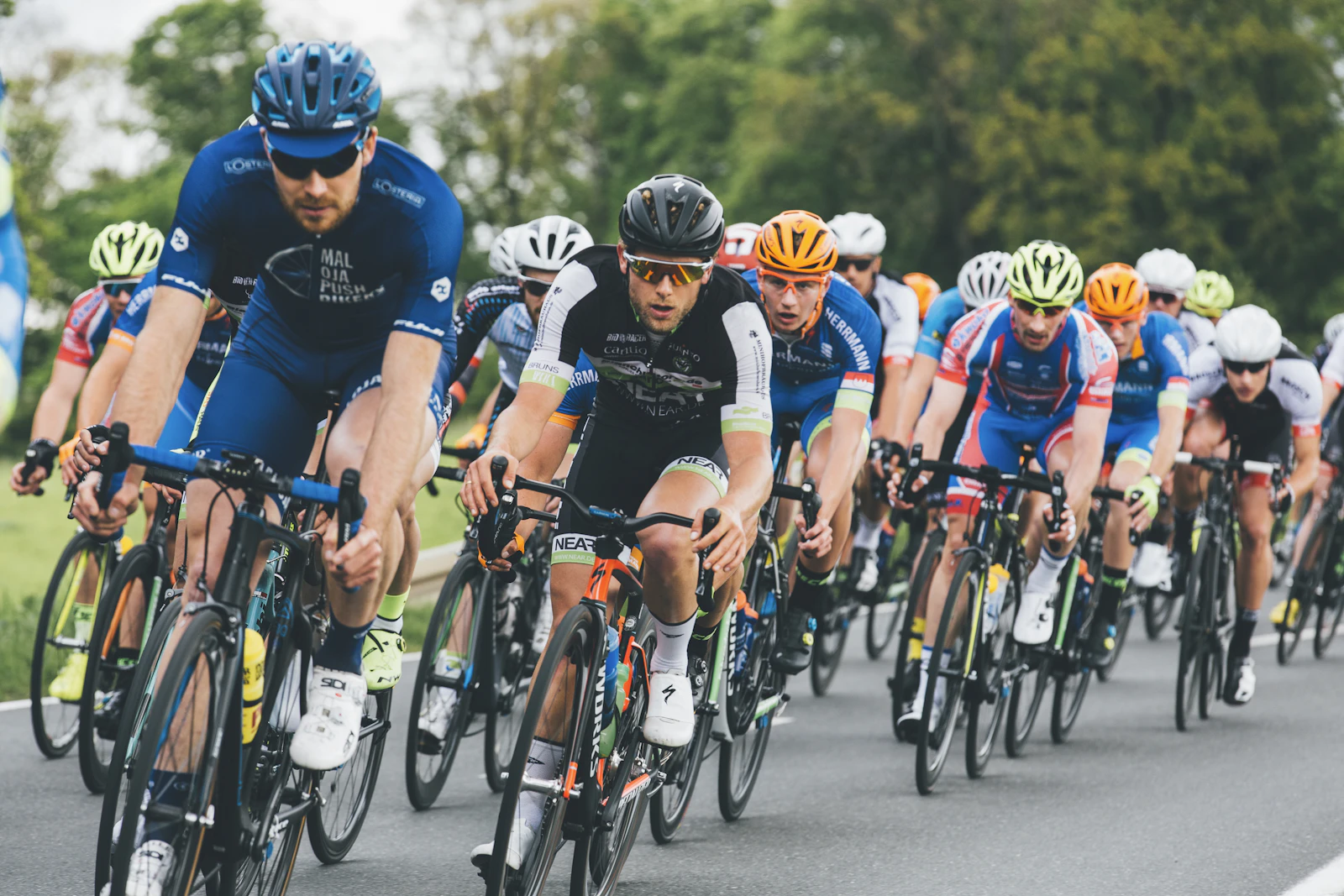
Riding in a group: the skills nobody explains to beginners
Sitting in saves a great deal of energy — the wind-tunnel and CFD work puts it higher than most riders assume. How to hold a wheel, rotate, signal and brake in a way that keeps everyone upright.
Bike helmets: what the safety ratings actually test
Passing a standard means passing one specific test: a vertical drop onto a flat anvil. What EN 1078 and CPSC do not measure, which independent ratings do, and why fit matters more than anything printed on the box.

How to plan a 200 km ride (and finish it)
Two hundred kilometres is a fuelling and pacing problem long before it's a fitness one. Target intensity, carbohydrate per hour over eight hours, where to put the climbs, and where to plan the resupply.

Altitude training for amateur cyclists: what actually transfers to sea level
The hypoxic dose that moves haemoglobin mass is bigger and longer than most riders imagine, a third of people barely respond at all, and low iron makes the whole exercise pointless. What a two-week mountain holiday can and cannot do for you.

Bikepacking route planning: water, resupply and daylight
Loaded, on unknown surfaces, your daily distance is not your road distance. How to plan around water, shops and daylight — the three things that actually decide whether a bikepacking day works.

Train, ferry, ride: building routes you can't do as a loop
A train leg turns a loop you have ridden forty times into a one-way descent through a valley you have never seen. Planning around timetables and bike reservations, the tailwind you can now guarantee, and what to do when you miss the connection.

Riding in the rain: kit, tyres and technique
Wet riding is mostly a thermoregulation problem with a braking problem attached. What keeps you warm when you're already soaked, how much braking distance you lose, and the tyre and cornering changes that matter.

Racing in the cold and wet: staying warm enough to still be racing
Cold rain ends races for riders who were fit enough to finish them, and it usually does it on the descent rather than the climb. Losing your hands before you lose your legs, and the clothing decisions that are really race decisions.

How to find good roads in a place you've never ridden
Reading a map for gradient and surface, using heatmap data without following the crowd, avoiding the trunk road that looks like a shortcut, and sanity-checking a route before you commit a day to it.

Lifting and riding in the same week: the interference effect, honestly
The molecular argument against doing both sounds decisive and mostly fails to show up in trained cyclists. Which direction the interference actually runs, how much separation matters, and a weekly template that stops the two from fighting.

Climbing technique: seated vs standing, and how to pace long climbs
Standing costs more oxygen at the same power — and is still the right choice sometimes. Gearing and cadence on a long climb, when to get out of the saddle, and how to pace twenty minutes uphill without blowing.

Vitamin C, tart cherry and the adaptation you might be blunting
The free radicals you are trying to mop up are part of how training works. Where high-dose antioxidants have been shown to dull adaptation, where tart cherry still earns its place, and the simple rule that resolves the contradiction.
Bike fit basics: saddle height, setback and reach explained
Three measurements do most of the work, and the research on saddle height is better than you'd expect. What each adjustment changes, how small a change should be, and when to stop guessing and see a fitter.

Tubeless tyres: setup, sealant and roadside repair
Sealant closes a 3 mm hole in seconds and does nothing at all for a 6 mm one. How the system actually works, the setup sequence that avoids a kitchen covered in latex, and knowing the moment to give up and fit a tube.

Why your hands go numb on the bike (and how to fix it)
Numb fingers are nerve compression, and which fingers go numb tells you which nerve. What causes it, what to change on the bike, and the symptoms that mean stop riding and see a doctor.