The Moveee team
Free coaching · a real route for every ride
Disc brakes are better than rim brakes in nearly every way that matters and worse in exactly one: when they are unhappy, they tell you about it loudly, continuously, and in front of other people.
Most disc noise is trivial to fix, some of it is not a fault at all, and one cause is genuinely serious. Here is how to tell which is which.
Diagnosing by sound
| Sound | Usually | Fix |
|---|---|---|
| Constant light rub Easy |
Caliper alignment, or a slightly buckled rotor | Loosen the caliper bolts, squeeze the lever hard, retighten while held. Two minutes, and it fixes most cases. |
| Rubbing that appears under load Easy |
Rotor flexing, or a loose through-axle | Check the axle first. If it persists, the rotor may be slightly out of true — a shop can straighten it. |
| Squeal in the wet, quiet when dry None |
Normal | Nothing. Wet rotors squeal. It stops once they dry, and it is not a fault. |
| Loud squeal, dry, and weak braking Medium |
Contamination — oil, chain lube, degreaser or brake fluid on pads or rotor | Clean the rotor with isopropyl alcohol. Pads that are genuinely contaminated are usually finished; replace them. |
| Grinding Stop now |
Pads worn through to the backing, or grit embedded | Stop riding and look immediately. Metal-on-metal will destroy a rotor in one descent. |
| Lever pulls closer over time Shop |
Pad wear, or air in a hydraulic system | Pad wear is normal and gradual. A lever that suddenly goes soft needs a bleed and is a shop job unless you have the kit. |
Contamination is the big one
Brake pads are porous. Get oil into them — chain lube oversprayed, degreaser drifting across, a drop of hydraulic fluid, or a well-meaning hand — and the pad surface stops gripping the rotor properly. The symptoms are a loud squeal and braking that feels vague and requires more lever force than it should.
The important part: you cannot reliably fix contaminated pads by riding harder or braking more. That is the folk remedy and it mostly just wears them down. Clean the rotor thoroughly with isopropyl alcohol and a clean cloth; if the noise and the weak braking persist, the pads need replacing.
Prevention is straightforward and worth building into your routine: never spray anything near the rotors, mask them or remove the wheel when degreasing the drivetrain, and handle new pads and rotors by the edges. Washing your bike properly covers doing the rest of the cleaning without creating this problem.

The five-minute alignment fix
- Loosen the two caliper mounting bolts just enough that the caliper can move.
- Squeeze the brake lever firmly and hold it — this centres the caliper over the rotor.
- Still holding, tighten both bolts evenly to the correct torque.
- Release, spin the wheel, look through the caliper at the gap either side.
- If it still rubs on one side, nudge the caliper very slightly and repeat.
This resolves the majority of rubbing complaints, and it is worth learning because the noise comes back periodically — after transport, after a wheel change, after a hard descent. If your bike has just been in a car or a bike bag, this is the first thing to check. Travelling with a bike covers the related transit problem: a lever squeezed in a bike bag with no rotor between the pads pushes the pistons together, so a spacer goes in before the wheel comes out.
Routine upkeep
- Check pad thickness monthly in winter. Wet, gritty riding eats pads at a startling rate — a set that lasts a summer can be gone in six wet weeks.
- Clean rotors with isopropyl alcohol, not degreaser. Degreaser leaves residue; alcohol evaporates clean.
- Bed in new pads properly. Ten to twenty progressive stops from moderate speed, not dragging. Skipping this is why new pads sometimes feel worse than the old ones.
- Replace rotors when they are worn or badly scored. They are a wear item too, and a worn rotor will chew through new pads.
- Get a bleed when the lever feel changes, not when it gets bad. Hydraulic systems degrade slowly and then quickly.
When to stop riding
Grinding means metal on metal, and that is not a noise to investigate at the bottom of the descent. Stop, look at the pads, and if there is no friction material left, do not ride the bike home on that brake. The same goes for a lever that suddenly pulls to the bar.
Everything else on this page is an irritation. Those two are the reason the pre-event check in the race-day mechanical checklist puts brakes in the week-out column rather than the morning-of one.
Sources 4
Where this article summarises a study, the study itself is linked — not a write-up of it.
- 1 Dealer's Manual DM-RADBR10-07: Hydraulic Disc Brake / Dual Control Lever (Road) · Shimano Inc. (technical documentation) · 2023
- 2 Brake Maintenance Guide · SRAM LLC (service documentation) · 2024
- 3 Disc Brake Troubleshooting · SRAM LLC (service documentation) · 2024
- 4 G2 RE Service Manual (GEN.0000000007229 Rev A) · SRAM LLC (service documentation) · 2022
See this in your own numbers
Moveee builds your power curve, fitness and fatigue from every ride you upload, and writes a training plan around them. It is free, it takes one Strava connection, and it will tell you more about your riding in a week than any article can.
Start freeKeep reading
How to stop hating the turbo: 12 ways to beat trainer boredom
The trainer isn't boring because it's indoors — it's boring because of how most people use it. Twelve fixes, from session design to what's on the screen in front of you.

How to fix a flat in five minutes (and stop dreading it)
A roadside puncture repair, step by step, and the two things beginners skip that turn a five-minute job into twenty: finding the cause, and seating the bead before you pump it hard.
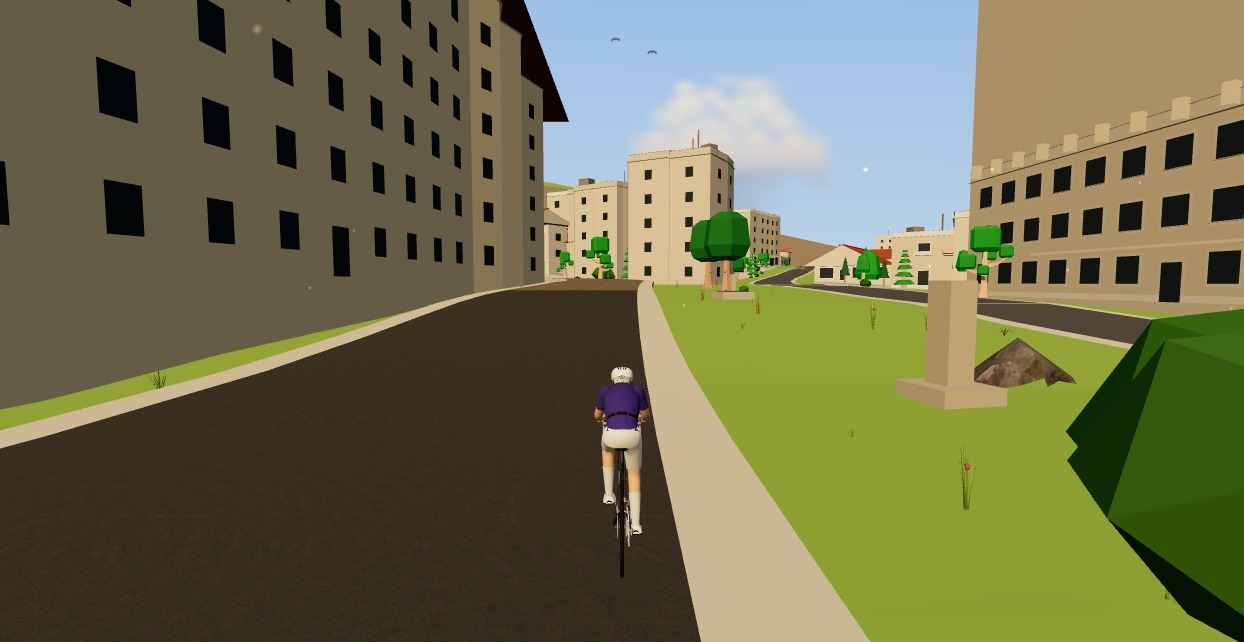
Try indoor training right now: open Moveee Indoor in your browser
No account wall, no 20-minute download before your first pedal stroke. Here's how to go from cold trainer to riding a real 3D road in about five minutes, straight from a browser tab.

Chain waxing vs lube: what it's worth, honestly
One camp melts wax in a slow cooker; the other squeezes lube onto a dirty chain and rides. Both are defensible. The watts are smaller than the enthusiasts imply — but the strongest argument for waxing is one they rarely lead with.

Rollers vs turbo trainer: which should you ride this winter?
One teaches you to ride; the other makes you fitter. Rollers build balance, souplesse and bike handling that a locked-in turbo never will — but the turbo owns structure, ERG and every hard interval you'll do all winter. An honest comparison, who should pick which, and why the real answer might be both.

The screen in front of your trainer
Riders spend a fortune on trainers and nothing on what they look at, then wonder why an hour indoors feels longer than three outside. It is an ergonomics problem before it is a hardware one — and sweat is the part that kills laptops.
Buying a used bike: the ten-minute inspection
Frame first, then wheels, drivetrain, brakes and bearings, then the paperwork. An ordered check that finds the deal-breakers early, with the honest caveat about carbon.

Choosing a bike computer: what actually matters
Easy to overspend on capabilities you will never use, equally easy to buy the cheapest and be quietly annoyed for three years. Three tiers described honestly, the five specifications that matter, and the feature set that is mostly marketing.

The one setting that decides if your speed is right inside the cycling app
A speed sensor counts wheel revolutions, not kilometres. Get the tyre circumference wrong and every number is wrong by the same percentage — up to 10% — while looking entirely plausible. The table, and the two-minute roll-out that beats it.

Bike helmets: what the safety ratings actually test
Passing a standard means passing one specific test: a vertical drop onto a flat anvil. What EN 1078 and CPSC do not measure, which independent ratings do, and why fit matters more than anything printed on the box.

Can an e-bike make you fitter? What the research shows
Measured e-bike riding lands squarely in the moderate-intensity band, which is enough to improve fitness in people who were not previously riding. What that means for someone already training, and the four uses that genuinely stand up.
How to use a heatmap to find roads locals actually ride
A heatmap is a map of what riders avoid as much as where they go. How it is built, what GPS route-choice research says it means, five patterns to read and a 15-minute method.