Ride smarter — one read at a time.
Guides, honest comparisons and the training science behind free coaching and a real route for every ride.
 Featured
Vršič pass by bike: 50 hairpins, cobbles and how to ride both sides
The north side is the climb, the south side is the descent. How to ride the cobbled hairpins, what changed at the top in 2026, and how to loop it back to Kranjska Gora.
Read the guide
Mangart: riding Slovenia's highest road
12 km, 980 m, five unlit tunnels and a ledge to 2,055 m. How the road rides, why the top is closed in 2026, and why the season is shorter than you think.

The Soča valley by bike: Bovec to Tolmin along the emerald river
The valley road is the easy spine; Kolovrat, Drežnica and Predel are the substance. Distances from the regional board, the rain from ARSO, and a week that fits around both.

Bled and Bohinj: the lakes loop and the climbs above them
Two lakes, one new separated cycle route between them, and the climbs that make it a week: Pokljuka, Soriška planina and the forest plateaus. Where to base yourself and when.
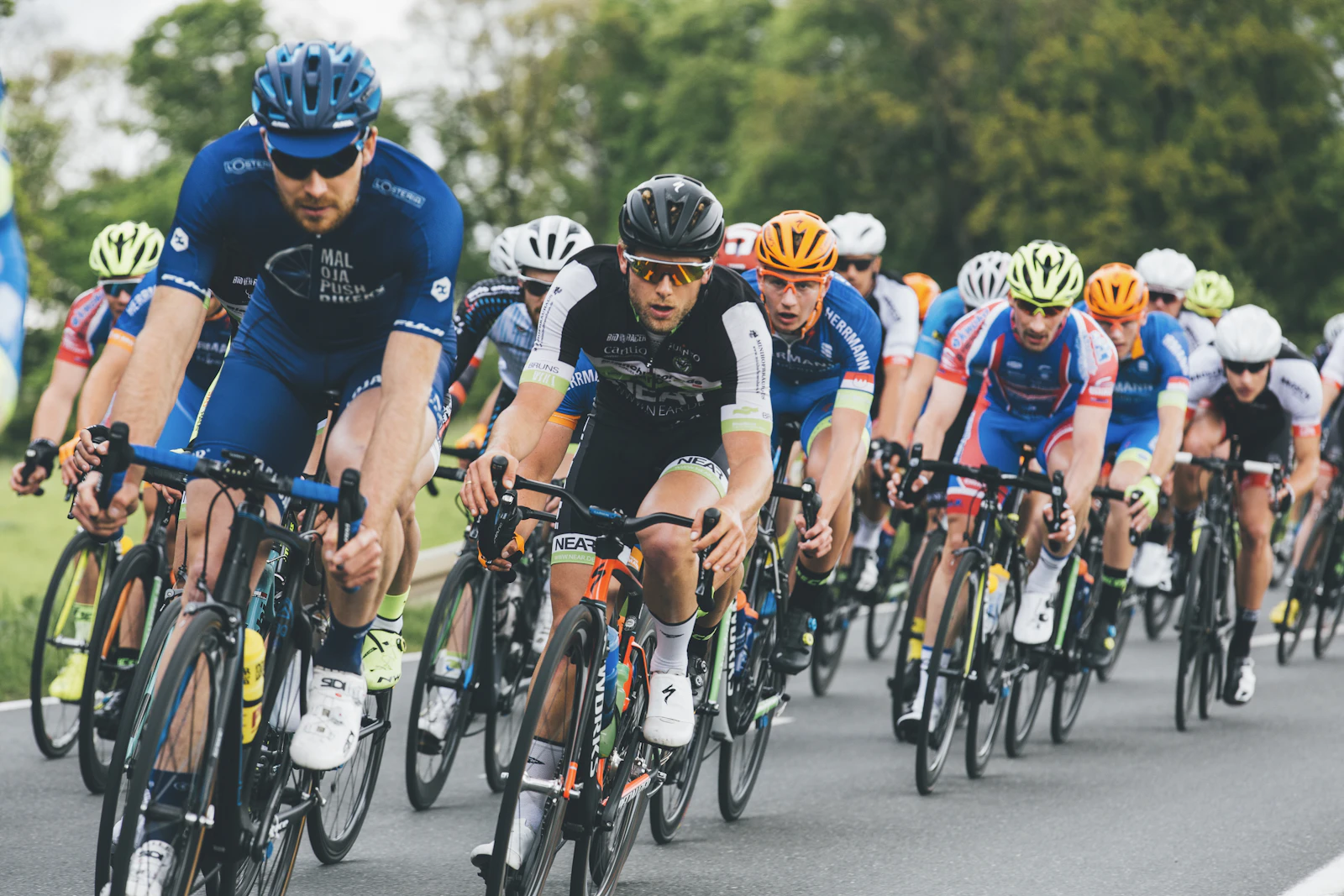
Pokljuka plateau: the quiet climb above Bled
Two tarmac roads up, a forest road across the top that is closed to cars in summer, and a biathlon stadium at 1,347 m. Why it is the better training climb and the emptier one.

Ljubljana's best loops: where the locals ride from the capital
The flat Barje loop, the short hills, the Polhov Gradec lanes, Janče and Krim, with the distances from the city's own route list. What each is for, and what the basin fog does in winter.

The Karst by bike: Lipica, Štanjel and the stone villages
Two official loops, rolling lanes between drystone walls, 2,251 hours of sun a year and a wind that closes roads. The Karst is Slovenia's winter riding, if you read the burja forecast.
Slovenian Istria: Koper, Piran and the coast road hills
The coast is 42 km of promenade and salt pans. The riding is in the hill villages behind it, from Marezige to the Karst Edge and Slavnik, and in the six months when the Alps are shut.

Goriška Brda: cycling the wine hills on the Italian border
280 km of lanes over vineyard ridges, one real climb up Sabotin, and a climate station in the middle of it that explains why Brda rides in February. How to loop it and when to go.
The Vipava valley: fast roads and the wind that decides your day
Slovenia's fastest flat roads, two of its hardest climbs up to Nanos and the Gora plateau, and the burja, with the traffic authority's four wind levels and what they mean on a bike.

Logar valley and the Solčava panoramic road
The valley is the dead end everyone drives to. The 37 km panoramic road above it, through farms at 1,300 m, is the ride. Sections, surfaces, the two quieter valleys and the season.
Pavličevo sedlo and Jezersko: two borders in one ride
Over Pavličevo sedlo at 1,339 m into Austria and back over the Seebergsattel to Jezersko. Which way round, how long, and the 2 April to 3 November closure that decides whether it is possible.

Velika planina and the Kamnik Alps foothills
The herdsmen's plateau is closed to cars and open to bikes via the cable car, on gravel only. The road riding is below it: Kamniška Bistrica, the Kranjski Rak road and Črnivec from Kamnik.
Maribor and Pohorje: forest climbs in the east
Areh from Hoče, Rogla from Zreče, the Drava for the flat days. Long forest-road climbs from a city with no cycling tourism, the driest climate in our Slovenia series, and the two events a year.
Idrija and Cerkno: the hill roads between the Alps and the Karst
Kladje, the Vojsko plateau and Črni Vrh: the quiet climbs around Idrija and Cerkno, with the organiser's Franja gradients and the ARSO climate figures for the plateau

Kranjska Gora: base for the Julian Alps and the Planica valley
Vršič from the village, the car-free valley path on the old railway, Planica and the pass into Austria: a week in Kranjska Gora with the tourist board's figures and the ARSO climate
Notranjska: Cerknica lake, Snežnik and the roads through the forest
A lake that disappears for four months, the Bloke plateau's empty tarmac and the forest climb to Sviščaki under Snežnik, with honest notes on surfaces and bears

Prekmurje: Slovenia's flat corner, for the days you don't want a climb
The Mura route, 600 km of signed asphalt on the plain, and the driest climate in the country: why Prekmurje is where Slovenian riders go for long steady hours and winter miles
Slovenian gravel: Kočevje forests and the roads with no cars
Ninety-one percent forest, a formerly closed military zone and the Kolpa–Rog route: how to ride Kočevsko's forest roads, what the rules are, and what to do about the bears
Slovenia's sportives and gran fondos: Maratona Franja and the events worth a trip
Maraton Franja, Juriš na Vršič, L'Étape Slovenia, Alpe Gran Fondo and the Poli maraton: 2026 dates, distances and climbs from the organisers, and an honest view of which to travel for
How Moveee builds your training plan: what the wizard asks and why
A walk through the plan wizard, question by question: what each answer changes in the engine, how the weekly load budget is set, where hard days land, and what the wizard does not ask.
What happens after a hard ride: how an adaptive plan eases your next day
The evening re-tune, step by step: the verdict on your ride, the deviation number, the window it edits, what gets eased and by how much, the card with Undo, and what the adaptive plan does not do.
Planned vs actual: reading your Moveee calendar after a week of riding
How to read the week banners, the day cells and the four ride verdicts, how a ride is matched to a session, what the check-in does, and the honest gaps: no missed state, and verdicts only on the ride page.
The check-in emails, and what your answers do (and don't) change
Seven check-in emails, three questions, a 30-day pause when you answer, and a clear line: the survey is read by a person and never edits your plan. The post-ride check-in is the one that does.
Power Profile explained: how Moveee places you from sprinter to diesel
Where every number on the Power Profile page comes from: the 3–30 minute Critical Power fit, estimated FTP, thresholds and FatMax, the VO2max regression, the Power Index spider, glitch nets, and lab test uploads.
Blocked dates: telling your plan about the week you can't train
How to block a day on the calendar, what the engine does with its share of the week, why blocking after the fact does not rebuild the plan, and how much fitness a short break really costs.
Route Engine: how Moveee picks the right road for tomorrow's workout
How a planned session becomes a route from your door: the spec, the search for real climbs and flat drags near home, fresh wind-aware loops, fixed scoring weights and templated reasons, plus what it needs and what it cannot do.
Connect Strava, Garmin, Wahoo and WHOOP: what syncs where
Strava does the work today; WHOOP syncs recovery in; Garmin, Wahoo and Karoo are built but waiting on their providers. A plain map of the Integrations page, direction by direction.
Upload a lab test and let your zones come from real lactate numbers
How the Power Profile reads LT1, LT2, VO2max, FatMax and the lab's zone table out of a PDF, what it shows, and why it leaves your FTP for you to set.
From Free to Pro: what changes in your plan the day you upgrade
What Free includes, how the 14-day adaptive trial works, and exactly what switches on when you go Pro: adaptation resumes, the coach unlocks, the caps lift. Nothing is rebuilt.
Your first road bike: what to spend and what to ignore
Fit first, then contact points, then a certified helmet. Honest price bands, the spec-sheet numbers that do not matter, and the safety checks that do.
Buying a used bike: the ten-minute inspection
Frame first, then wheels, drivetrain, brakes and bearings, then the paperwork. An ordered check that finds the deal-breakers early, with the honest caveat about carbon.
Gears explained: what the numbers on your cassette mean
Tooth counts to gear ratios to speed at a cadence, why steps matter more than the number of gears, what cross-chaining costs, and how to pick a gear on a climb.
Clipless pedals: how to start without falling over at the lights
Which system to start on, how to set cleat position and float so your knees track straight, and a grass-first drill that makes unclipping a reflex before you need it.
How to fix a flat in five minutes (and stop dreading it)
A roadside puncture repair, step by step, and the two things beginners skip that turn a five-minute job into twenty: finding the cause, and seating the bead before you pump it hard.
Your first winter on the bike: kit, roads and staying motivated
Winter is where new riders quietly stop. Warm extremities, lower roads, one hard session a week and a fixed ride day carry more fitness into spring than any jacket.

Cycling clothing explained: bibs, chamois, layers and why cotton fails
What each piece of cycling kit is actually for, what the evidence supports, and where the marketing runs ahead of it. Spend on shorts and gloves; the fourth jacket can wait.

How to ride with traffic: positioning that keeps you safe and seen
Hugging the kerb feels safe and is not. Where crashes happen, when to take the lane, what the overtaking research honestly says, and why a daytime rear light beats a hi-vis jacket.

The cycling year: how to plan twelve months from off-season to peak
Transition, base, build, peak, race: what each block is for, how long it runs for an amateur with one summer goal, and where the neat diagram and the messy year part ways.

The off-season: how long to rest and what to keep doing
Two to four weeks of light, unstructured riding, one short hard session kept, and not past six. The detraining studies say what you lose, how fast, and which losses are cheap.

Base, build, peak: what each phase changes in your body
Mitochondria and capillaries in base, VO2max and threshold in build, fatigue cleared in the taper. What each phase does, how fast, and why the order is biology rather than tradition.

Cross-training for cyclists: running, skiing and swimming that transfer
Fitness built in another sport reaches the bike through your heart and lungs, not your legs. What the transfer studies say, and how skiing, running and swimming rank.
Training with an injury: what you can keep doing and what to stop
Most cycling injuries leave some training on the table. Keep the intensity in whatever you can still do, load tendons rather than rest them, and rest fully for the few that demand it.

Four hours a week: the most fitness you can get from very little time
At four hours a week the 80/20 rule stops applying and two well-chosen interval sessions do most of the work. What the low-volume studies found, and a week that fits.

Junk miles: what they are and when they aren't
Easy riding is not junk; the fittest riders do most of their hours there. Unplanned medium riding usually is. A three-question test for any ride, and the evidence behind it.
Aerobic threshold: the test you can do on any trainer
Three field methods for finding your aerobic threshold without a lab: the talk test, heart-rate drift over a steady hour, and DFA alpha 1. What each is validated against and how far to trust it.

Standing power: why some riders climb out of the saddle and others can't
Standing adds body weight and upper-body bracing to the pedal stroke, at a cost in oxygen that only pays off near maximal effort or on steep roads. Who it suits, and how to train it.

Consistency beats everything: the evidence for boring training
The strongest predictor of an endurance result is how much of the planned training got done. Why gaps cost more than they look, why the spike after a gap is the enemy, and rules for boring training.
Rice cakes, bars and gels you can make at home for a tenth of the price
Three kitchen recipes with the carbohydrate worked out per piece from USDA food data, and an honest look at where home-made ride food loses to the packet: shelf life, bulk and hard efforts.
What to eat the night before a long ride
A bigger plate of something familiar, less fat and fibre, little alcohol, finished early. The glycogen targets behind that sentence, three menus that work, and what to leave off the table.
Hydration in the heat: sodium, ice and the pre-cool
Heat costs watts whatever you drink. What helps: starting cool with ice slurry, keeping body-mass loss under about 2%, matching sodium to how salty you sweat, and not drinking past thirst.
Fuelling on a budget: cheap carbs that work on the bike
Bananas, raisins, jam sandwiches and potatoes have been tested against gels and sports drinks and fuel a ride just as well. The grams per pocket portion, what they cost, and where they fall short.

Eating to recover from a big week, not just a big ride
A camp or a hard block leaves a hole one recovery shake will not fill. Carbohydrate scaled to the load for several days, protein spread across each day, and the signs you have slipped into under-fuelling.

Coffee-stop nutrition: the mid-ride food that helps and the food that sits
Cake and coffee is a good refuel; the fry-up is why the second half feels worse. How much caffeine is in the cup, why fat and fibre sit when you restart, and a ranked café menu.
Your first century: 100 miles, and how to arrive with legs left
Build the long ride to about 120 km, ride the first two hours slower than feels necessary, eat from the first hour and sit in the group. A race-prep guide to 161 km that finishes well rather than merely finishes.
The triathlon bike leg: pacing so you can still run
The bike is the only leg where holding back makes you faster. How to pick a power target for your distance, why draft-legal racing changes everything, and what the run will tell you.
Pre-race nerves: a routine that works in the last hour
You cannot switch the nerves off, but you can point them somewhere. A last-hour routine built on reappraisal, slow breathing, a proper warm-up and two sentences of self-talk.
After the crash: what to check, when to ride again
Head first, then neck, then everything else. What the concussion consensus, the UCI protocol and the fracture literature say about getting back on the bike, and why a doctor decides.

The first 48 hours after a big event: recovery that speeds up the next one
Eat promptly, eat again, drink more than you lost, sleep twice. What the evidence supports in the two days after a gran fondo, and the ice bath, beer and Monday ride that undo it.
Climbing in a bunch: where to sit before the road goes up
The climb rarely loses the race; the two kilometres before it do. Why drafting fades as the road steepens, what the surge at the base costs in W′, and where to be when it starts.

Cornering under pressure: the racing lines nobody practises
A bad corner costs you twice: once in it, again on the exit. The physics of lean and grip, where to look, how to countersteer on purpose, and the race-day corners you can only learn by doing.
Riding the Étape or the Marmotte: what the profile doesn't show
Both profiles are accurate and both hide the things that end riders' days: altitude on the Galibier, three climates, a 47 km descent, cut-offs, tunnels and feed queues. Official figures throughout.
Cycling in Girona: the roads that made it the pros' home
Why the peloton lives here: the classic climbs with the tourist board's numbers, the greenways out of town, the AEMET climate month by month, and the weeks to avoid.
Tenerife: training on the volcano in winter
Sea level to 2,300 m on one road, three climates on one island, and a week that leaves you fitter rather than wrecked. Roads from the park authority, weather from AEMET.
The Dolomites by bike: passes, order and the weather window
Short climbs in clusters, so the order and the start time matter more than fitness. The Sellaronda, Giau, Tre Cime, the organiser's gradients and the afternoon-storm rule.
Flanders: riding the cobbles and bergs of the Tour of Flanders
The Kwaremont, Koppenberg and Muur with the tourist board's gradients, why cobbles are a technique problem, the signposted loops from Oudenaarde and the Belgian road rules.
Alpe d'Huez, Galibier, Ventoux: a first Alps trip in one week
One base in Bourg-d'Oisans, the Alpe on day one, the Galibier on day three, a rest day, then south to Bédoin. Official climb figures, pass opening dates and a day-by-day shape.
Istria and the Croatian coast: quiet roads and where to base yourself
The riding is inland: hill towns, the Parenzana and the Učka ridge to 1,401 m. Where to stay, what the bura does, and the months when the coast road is worth avoiding.
How to use a heatmap to find roads locals actually ride
A heatmap is a map of what riders avoid as much as where they go. How it is built, what GPS route-choice research says it means, five patterns to read and a 15-minute method.

The perfect 60 km: designing a mid-week loop you'll ride all year
The route you ride fifty times a year is a training tool. One climb in the right place, a 15-minute uninterrupted stretch, few junctions, the same direction, and built for winter.
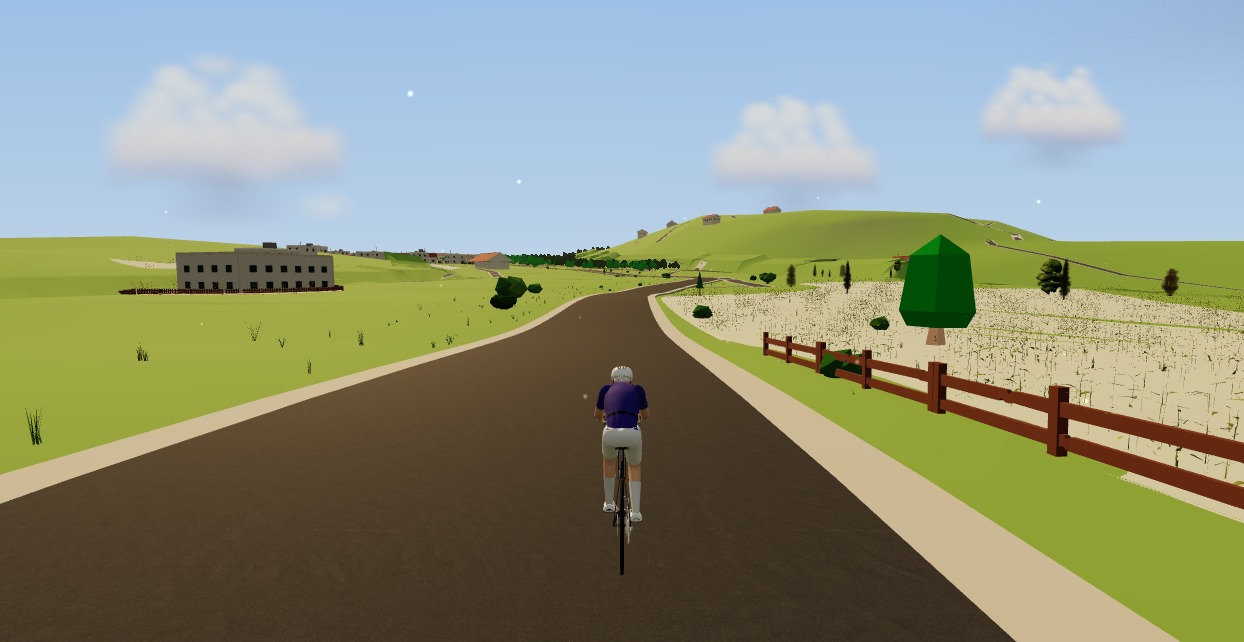
How to use an indoor cycling app without a smart trainer — a speed sensor is enough
A £30 wheel speed sensor turns any dumb trainer into a real route in a 3D world, with the ride saved to your calendar. What you need, how to set it up, and the one thing about hills you should know before your first session.
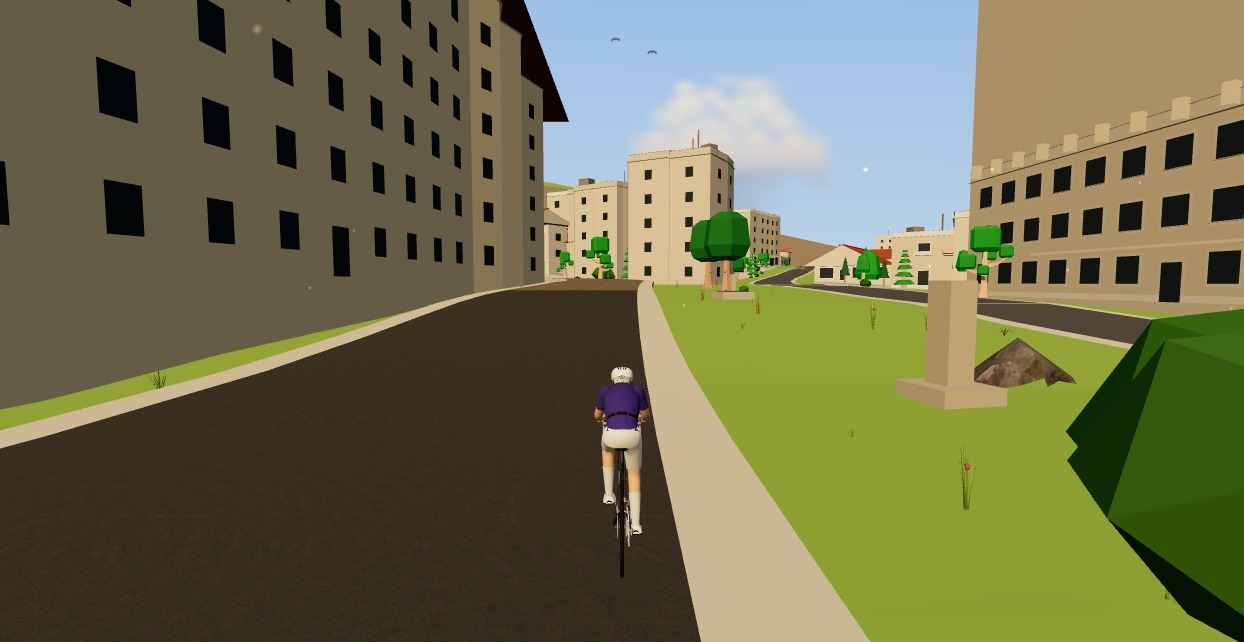
Indoor cycling app with no power meter: what you get and what you don't
Both columns side by side. What a speed sensor gives you indoors — the route, distance, heart rate, cadence, a ride that counts — and what it cannot: watts, ERG, TSS, FTP. Including why we refuse to show you a virtual power number.

The one setting that decides if your speed is right inside the cycling app
A speed sensor counts wheel revolutions, not kilometres. Get the tyre circumference wrong and every number is wrong by the same percentage — up to 10% — while looking entirely plausible. The table, and the two-minute roll-out that beats it.
Does your speed in an indoor cycling app actually mean anything?
It is an honest measurement of exactly one thing: how fast your back wheel is spinning. What that is genuinely useful for, why it is not your road speed, and why the hill on screen does not slow you down when you ride on speed alone.
No ERG mode? How to use your gears as the resistance dial on a dumb trainer
How to run a structured indoor session with no power and no ERG — the way everyone did it until about 2015. Four sessions that work, how to steer by heart rate despite its lag and drift, and the one caveat about your training plan.
Speed sensor or smart trainer: when is the upgrade actually worth it?
Four signs you have outgrown a speed-only setup, what power actually unlocks, and three routes compared — including the one most people overlook, which is a power meter rather than a trainer. Plus the honest case for staying where you are.
Why you stopped getting faster
For two years cycling gives you progress for free. Then one spring it stops. The six causes of a plateau in roughly the order they turn out to be the answer — and the uncomfortable sixth one, which is that you may be measuring the wrong thing.
How long should your intervals be?
Which intervals are best is the wrong question, in a specific and fixable way: length and intensity are one choice, not two. What each duration actually trains, how to pick by what your event demands, and how to progress a session that got easy.
Training camps: the week is only half of it
The most enjoyable training an amateur can do, and one of the most frequently wasted. A sensible day-by-day shape, how much volume is actually sensible, and the fortnight afterwards that decides whether any of it counted.
Fuelling six days back to back
On one long ride, fuelling decides how you feel at the end. On six consecutive long rides it decides whether the week produces fitness at all. The daily rhythm, four traps, and why day four feeling grim is often a food problem wearing a training problem's clothes.
You dehydrate in winter too
Dehydration is a summer problem — that assumption sits behind almost every winter ride and it is wrong. Five reasons riders run short in the cold, what it costs, and the one change that fixes most of it.
Eating abroad without losing a day to it
The food is one of the best parts of a cycling trip and a reliable way to lose a morning. What to sort before you go, how to enjoy local cooking without gambling the queen stage, and when it stops being a fuelling problem.
Gels, drink mix or real food?
There is a mild moral dimension to this argument that does not deserve to be there. The real distinction is mechanical — how fast you need the carbohydrate and how hard you are riding when it arrives. Why most experienced riders end up using all three.
The training diary still beats the dashboard
Your files record what you did, how hard and for how long. What none of it knows is why Thursday collapsed. Six fields worth keeping, thirty seconds a day, and what a season of them lets you see that no metric will.
Training young riders: the principles worth holding
The area of cycling where confident advice does the most damage. Three broad stages, four things to get right, and why the only goal that matters is whether they still want to ride at 25.
The pre-event mechanical checklist, by when to do it
Mechanical problems ruin more amateur events than fitness does, and nearly all of them were visible days earlier. Organised by timing, because most of these checks are useless on race morning — not because they do not matter, but because by then you cannot act on them.
The week before: everything that is not training
The physiology of the taper is a solved problem. This is the other half — admin, travel, packing and the sequence of small decisions that decides whether you reach the start line calm or already tired.
Racing abroad: six things that are not like home
The riding is the familiar part. Licences, race manuals, bunch culture, terrain you cannot rehearse, heat and altitude — and the alpine descent that riders underestimate far more often than the climb.
Navigating without a screen
Every rider eventually has the same afternoon: 80 km out, battery dead, phone on 4%. Five methods in the order you will use them, and why learning the shape of a route beats learning its turns.

Getting out of a city to the good riding
The good roads exist — there are just 45 minutes of traffic lights between you and them. Five strategies, why the exit is a problem you solve once rather than every ride, and the train trick almost nobody uses.
Disc brake noise: what it means and what to do
Better than rim brakes in nearly every way that matters and worse in exactly one — when they are unhappy they tell you loudly, in front of other people. Diagnosis by sound, the five-minute alignment fix, and the one noise that means stop riding.
Mudguards and the winter bike
There is a version of winter riding that is cold, wet and grim, and one that is cold, dry-footed and rather good. The gap is mostly equipment, most of it cheap — and mudguards are not a style question.
Where the bike lives decides how often you ride it
A bike that takes four minutes and two decisions to extract gets ridden less than one you can lift off a hook. Storage options honestly compared, why damp beats cold as the enemy, and the trainer corner that actually gets used.
Shoes and cleats: fit first, everything else after
The only part of a bike you wear, and the contact point riders think about least until something hurts. What actually matters in a shoe, the width point nobody mentions, and how to move a cleat without creating a knee problem.
The screen in front of your trainer
Riders spend a fortune on trainers and nothing on what they look at, then wonder why an hour indoors feels longer than three outside. It is an ergonomics problem before it is a hardware one — and sweat is the part that kills laptops.
Looking after a smart trainer
Most of what goes wrong with trainers is not wear — it is sweat, and the drivetrain attached to them. Diagnosing the noise (it is usually not the trainer), what the neighbours actually hear, and a maintenance schedule that takes minutes.
How to wash a bike without wrecking it
There are two or three ways to clean a bike that cause more damage than the dirt would have — and they are the ones that feel most satisfying. Fifteen minutes, in the right order, without contaminating your brakes.
Reading an elevation profile: the picture is not to scale
Every route planner draws you a little mountain range, and every rider forms an opinion from it. That opinion is frequently wrong. What the distortion does, why averaging hides the steep bits, and the four numbers worth extracting before an event.
Gearing for climbing: the arithmetic nobody does
The belief that low gears are an admission of weakness has cost riders a great many good days. A table of what your lowest gear actually forces your legs to do at climbing speed — and why a 34×28 on a steep road is a leg press with a view.
Chest strap or wrist: which heart rate reading to trust
For steady riding an optical sensor is fine. For intervals the strap still wins, and the reason is physics rather than brand quality. Where each one fails, the armband middle ground, and the dry-strap fix that stops the 180 bpm nonsense.
Hill climb events: eight minutes of honesty
One road, one clock, nowhere to hide — and the one event where power-to-weight genuinely dominates. Pacing by duration, what is worth stripping off the bike and what absolutely is not, and the warm-up mistake half the field makes.

Planning gravel routes: reading the surface data
The difference between a superb gravel loop and four hours of pushing is usually a few hundred metres of surface nobody recorded. What the OpenStreetMap surface tags actually mean, which one is a coin toss, and the four checks before you commit.
Loop, out and back, or point to point?
Most riders default to one route shape without deciding to. The shape changes what a ride is good for — and for windy days and interval sessions, the usual favourite is clearly the wrong choice.
Finding the climbs near you (even if you live somewhere flat)
A good training climb is a specific thing, and it is rarely the famous one. What makes a climb worth training on, four ways to find them on a map, and three honest options if your area has no hills at all.
What to carry on a 100 km ride, and what to leave behind
A hundred kilometres is the distance where packing starts to matter. The non-negotiables, the it-depends list, the things riders carry for no reason — and the two mistakes that actually ruin days.
Choosing a bike computer: what actually matters
Easy to overspend on capabilities you will never use, equally easy to buy the cheapest and be quietly annoyed for three years. Three tiers described honestly, the five specifications that matter, and the feature set that is mostly marketing.
Your FTP went down. Six reasons, and only one of them is fitness
Same trainer, same test, twelve watts lower. Before you rewrite the plan: a lower test result usually is not lost fitness. The six causes in order of how often they turn out to be the answer, and the five-minute check that tells you which.

Racing in the heat: pace it differently or pay for it
Riders rebuild a training plan over a 3% change in threshold, then ride a 34°C event on their April pacing plan. What heat does to your engine, which cooling tricks are worth doing, and the signs that mean stop immediately.
Ramp rate: how fast you can add training load without breaking
Every rider who discovers load tracking tries to make the number go up as fast as possible, and a few weeks later is ill. The conventional bands, what actually sets your own limit, and why a build that never comes down is not a build.
Pacing a gran fondo with power: the first climb is the trap
The purest pacing test in amateur cycling. Target bands by event length, the four rules that decide the day, and why the number that ruins fondos is almost never the average.
Bonking: what is actually running out, and what to do about it
Not ordinary tiredness — the shaking hands, the emotional flatness, the inability to decide anything. Why a bonk feels like a mental event, why "push through it" is uniquely bad advice here, and the mistake that happens two hours before the symptoms.
Block periodisation: one signal at a time
Five hard sessions in a week, then two weeks of quiet. A sharper tool with a narrower handle than the standard mixed week — genuinely better for some riders, genuinely worse for others. Which one you are, and the week-two mistake that wastes the whole block.
How much do you actually sweat? An hour with a towel and some scales
Two riders finish the same hot four hours having lost 1.2 kg and 4 kg. "Drink 500 ml an hour" is useless advice for one of them. The DIY protocol that gives you your own number, and how to tell whether you are a salty sweater.
Sprint work for riders who are not sprinters
Most amateur plans have a hole at the top end, usually because the rider decided they are not a sprinter. Four sessions, why the rests are far longer than feels reasonable, and the one setting you must turn off to do these indoors.
Reverse periodisation: intensity in winter, miles in summer
The traditional cycling year came from professionals in mild climates with unlimited time. For an amateur in a northern winter with a job, it can be exactly backwards — and there is a coherent alternative that says so.
Vitamin D for cyclists: a strong case, narrower than the marketing
One of the few supplements with real evidence behind it — and that evidence says something the labels do not. Why cyclists are a higher-risk group, what correcting a deficiency does, and what topping up when you are already fine does not.
Durability: why your power at hour four is the number that matters
Two riders with identical FTPs can be 55 watts apart four hours into a sportive. That gap has a name — durability — and no fresh test will ever show it to you. How to measure your own, and the training that actually builds it.
Over-unders: the interval that teaches you to ride through lactate
The session that turns "I blew on the third climb" into "I was there at the top" — and one of the most frequently botched workouts in cycling. Four versions in order of difficulty, and the four ways riders ruin them.
Low energy availability and REDs: when eating less stops making you faster
Cycling's fascination with being lighter has a cost the arithmetic leaves out. What low energy availability actually is, why bodyweight is a poor detector of it, and why the performance argument fails on its own terms.
30/30s: the shortest intervals that still build your ceiling
Thirty seconds hard, thirty seconds easy, twenty times. Microintervals chase the same adaptation as five-minute VO2max efforts by a route most riders can actually finish — provided you get the first three reps right.
Iron and ferritin for cyclists: the blood test worth asking for
Low iron is one of the more common causes of unexplained fatigue in endurance athletes, and one of the few that is genuinely fixable. Why "your bloods are normal" can still mean you are short — and why you must never supplement on a hunch.
Aerobic decoupling: what the Pw:HR number on your ride actually means
The closest thing you have to a free aerobic test, taken on every long ride at no extra cost. How to read it, what counts as a clean measurement, and the five things that make it lie to you.
Your first criterium: position, corners and the accordion effect
A crit's average power is often below your FTP, which tells you nothing. What actually decides your first one is where you sit in the bunch — and why the rider at the back is doing a completely different race at the same speed.
Three zones, five or seven? Which model to actually use
Open three training books and you get three zone systems. They are not competing discoveries about the body — they are filing systems, and you want more than one. Which to use for the week, the session and the top end.
Riding at night: seeing, being seen, and the months you get back
For half the year, riding after work means riding in the dark. Two problems most riders confuse, how much light you actually need for each kind of road, and the cheap reflective trick that matters more than a bright jacket.
Chain waxing vs lube: what it's worth, honestly
One camp melts wax in a slow cooker; the other squeezes lube onto a dirty chain and rides. Both are defensible. The watts are smaller than the enthusiasts imply — but the strongest argument for waxing is one they rarely lead with.
How to build a cycling training plan around a full-time job
You don't need 12-hour weeks to get properly fast — you need the right 6–8 hours, placed where your life can actually hold them. Here's how to anchor a working week around two quality sessions and one long ride, what to cut first when work explodes, and why a plan that adapts beats a plan that's perfect.
How many TSS per week do you actually need?
TSS puts one number on how much training you've done — but how much is enough, and when does more stop helping? Realistic weekly ranges by rider level, the ramp-rate rule that keeps you improving without breaking, and why chasing the number corrupts the training it's meant to measure.

How to taper for a big ride: the last two weeks
The event is booked and the training is done — the last two weeks are where riders either bank their fitness or quietly throw it away. Drop the volume, keep the intensity, and follow a day-by-day fortnight that arrives at the start line fresh instead of flat.
Zone 2 training on a smart trainer: how to actually stay in zone
Everyone agrees Zone 2 builds the engine — and almost nobody actually rides it, because outdoors every junction, hill and ego bump pulls you out of zone. On a smart trainer with ERG mode the discipline problem disappears. How to set the right watts, manage drift, and make 90 steady minutes genuinely bearable.
What your power curve says about you: sprinter, puncheur or diesel?
Your best 5 seconds, 1 minute, 5 minutes and 20 minutes tell a story your FTP alone can't: what kind of rider you actually are. How to read your own power-duration curve, the signature shapes of sprinters, puncheurs, diesels and climbers — and when to train your weakness versus doubling down on your strength.

A TrainingPeaks alternative that plans the workouts for you
TrainingPeaks is the coach's clipboard — superb if you have a coach or love building your own plan, but on your own it never answers the question you actually have: what should I ride today? An honest comparison with an app that writes the plan, adapts it when life happens, and brings the indoor world with it.
How to read the wind forecast for cycling (and stop riding into it both ways)
Wind costs a cyclist more than rain ever will, and the weather app's little arrow doesn't tell you what it'll do to your loop. Why headwinds punish you harder than tailwinds repay you, which way to ride your route, what 20 vs 40 km/h actually feels like, and how to plan around gusts before you clip in.

How to export a workout to your Garmin or Zwift (.zwo and .fit explained)
Structured workouts travel as files — .zwo for Zwift, .fit for Garmin and most head units — and once you understand the two formats you can build a session once and ride it anywhere. What each format is, which platforms accept which, and the step-by-step for getting a workout onto every device you own.

A free app for the Zwift Hub and Zwift Ride (yes, without Zwift)
Zwift's own trainers speak the same standard Bluetooth as everyone else's — which means a Zwift Hub or Zwift Ride works perfectly well without a Zwift subscription. How to pair Zwift hardware with a free browser app, what works (ERG, resistance, power), and the honest caveats around buttons and firmware.

A free app for Saris and JetBlack trainers (in your browser)
A Saris H3 or a JetBlack Volt doesn't need a subscription to earn its keep — both brands speak standard Bluetooth FTMS, so a browser tab can control resistance, hold ERG targets and record the ride. Model-by-model support, pairing steps, and the honest caveats for older wheel-on units.

Can you use a spin bike with cycling apps? What works and what doesn't
The gym-style spin bike in your spare room and the cycling apps on your laptop live in different worlds — but there are honest bridges between them. What a dumb spin bike can and can't do, the sensors that unlock app compatibility, which smart bikes broadcast openly, and when a used smart trainer is simply the better buy.
Smart trainer not connecting? Fixing Bluetooth pairing on Mac, Windows and Android
Nine times out of ten a trainer that won't connect is already connected — to an app you forgot was open. A symptom-by-symptom fix-it guide for Bluetooth pairing: not found, won't pair, pairs then drops, power reads zero — with the platform quirks for Mac, Windows and Android that nobody documents.
Indoor training with heart rate only (no power meter, no problem)
No power meter, no smart trainer — just a heart-rate strap? You can still train properly. How to find your threshold heart rate with one honest 30-minute test, set five zones from it, structure a week around what HR measures well, and work around what it doesn't (lag, drift and hot rooms).
How accurate is your smart trainer's power? (and why it disagrees with your power meter)
Your trainer says 250 W, your pedals say 262 W — and neither of them is lying. What the accuracy claims on the box actually mean, why drivetrain loss makes a hub always read lower than a crank, when calibration matters, and why consistency beats absolute truth for training.

Rollers vs turbo trainer: which should you ride this winter?
One teaches you to ride; the other makes you fitter. Rollers build balance, souplesse and bike handling that a locked-in turbo never will — but the turbo owns structure, ERG and every hard interval you'll do all winter. An honest comparison, who should pick which, and why the real answer might be both.
Heat training indoors: the performance boost hiding in your pain cave
Your trainer room is accidentally a heat chamber — and used deliberately, carefully and only on easy days, heat adaptation can raise plasma volume and buy trained riders a real aerobic bump. The protocols, the schedule before a hot event, and the safety rules that are not optional.
How long does it take to get cycling fit? A realistic timeline
Two weeks until rides stop feeling awful, six to eight until the numbers move, a season until club runs feel comfortable, years until the engine matures. An honest milestone-by-milestone timeline of cycling fitness — what genuinely speeds it up, what doesn't, and why coming back is faster than starting.
Cycling cadence: does it actually matter? What the science says
The internet is full of one true cadence — the research says your legs already found theirs. What the science honestly shows about self-selected cadence, when deliberate high or low RPM work genuinely helps, the typical ranges by situation, and the drills worth folding into an easy hour.

Everesting indoors: how to climb 8,848 m without leaving your pain cave
One climb, repeated until you've ascended the height of Everest — indoors, where there's no weather, no traffic, and absolutely nowhere to hide. The gradient maths, the pacing (it's an eating contest with pedalling attached), the two-fan setup, and the fitness you honestly need before you try.
The best indoor cycling app for Mac (no download, runs in your browser)
Looking for an indoor cycling app for Mac that doesn't need a download? macOS runs a full smart-trainer session straight from a browser tab — pairing, ERG, real 3D roads and a Strava upload. Here's how, and the one thing to watch on Apple Silicon.
How to use your Wahoo KICKR without Zwift (a free browser app)
Your Wahoo KICKR doesn't need Zwift — or any subscription — to give you a proper session. Here's how to use a KICKR (or KICKR Core, Snap and Move) with a free browser app that controls resistance, holds ERG targets and saves to Strava.
A free MyWhoosh alternative that rides your own real routes
MyWhoosh proved indoor cycling can be free. If you want a free MyWhoosh alternative that rides your own real roads instead of a fictional world — and runs in the browser with nothing to install — here's the honest comparison.
How to ride your Strava routes indoors on a smart trainer
That summer loop you love is a GPX file — so you can ride it indoors in winter. Here's how to ride your Strava routes indoors on a smart trainer, in 3D, from real map and elevation data, without installing anything.
The best free smart trainer app with no subscription
You bought the smart trainer. Paying a monthly subscription to use it stings. Here's how far a free smart trainer app with no subscription gets you in 2026 — real workouts, ERG, a 3D world and Strava — and where the paid apps still pull ahead.
Zwift on iPad? A browser alternative for tablets that actually works
Searching for Zwift on iPad — or a lighter tablet alternative? Here's the honest state of indoor cycling on tablets in 2026: what works on an Android tablet in the browser, the real iPad Bluetooth catch, and the simplest setups that just work.
A Tacx app alternative that runs in your browser (free)
If the Tacx Training app isn't for you, you don't have to jump straight to a Zwift subscription. Here's a free Tacx app alternative that controls your Tacx Neo, Flux or Flow from a browser tab — ERG, real roads and a Strava upload included.
A Rouvy alternative for riding real roads indoors
Rouvy put real roads on the trainer with video. If you want a Rouvy alternative that rebuilds real roads in 3D from map data — including your own routes — and runs free in the browser, here's how the two approaches compare.
Indoor cycling on an Android tablet or phone (in the browser)
You don't need a laptop or an app-store download to train indoors. Here's how to run a full indoor cycling app on an Android tablet or phone, straight from Chrome — pairing your smart trainer over Bluetooth, holding ERG targets and saving to Strava.
A TrainerRoad alternative with a world to ride through
TrainerRoad is brilliant structured training with no scenery. If you want a TrainerRoad alternative that keeps the structure but gives you a real 3D world to ride through — and a free tier — here's an honest look at the trade-offs.

How to record an indoor ride to Strava (without Zwift)
An indoor ride should count. Here's how to record an indoor ride to Strava with full power, cadence and heart-rate data — without Zwift — using a free browser app that saves the ride even if your connection drops.
How to ride a GPX file indoors on your smart trainer
Any route you can export as a GPX file, you can ride indoors. Here's how to turn a GPX into a 3D indoor ride on your smart trainer — with real gradients driving the resistance — straight from your browser, no install.

Indoor cycling on a smart TV: how to ride on the big screen
Riding a trainer on a 55-inch screen beats squinting at a laptop. Here's how to get indoor cycling on a smart TV in 2026 — the setups that work, the ones that don't, and the simplest big-screen route of all.

A free FulGaz and Kinomap alternative for real-road rides
FulGaz and Kinomap ride real roads on video. If you want a free FulGaz and Kinomap alternative that rebuilds real roads in 3D — including routes you've drawn yourself — and runs in the browser, here's how it stacks up.

An indoor cycling app for Windows with nothing to install
No admin rights, no 12 GB download, no launcher updating itself before every session. Here's how to run a full indoor cycling app on Windows with nothing to install — a browser tab, your smart trainer, and a real 3D road.
The best free Zwift alternative in 2026
Zwift is no longer the only game in town, and some of the best options cost nothing. Here's an honest guide to the best free Zwift alternative in 2026 — what each one does well, and how to pick the one that fits how you ride.
ERG mode in the browser: hold your watts on any smart trainer
ERG mode used to mean installing a desktop app. Not any more. Here's how ERG mode in the browser works — how a tab sets the resistance on your smart trainer and holds your target watts through every interval, free.
Turn a dumb trainer smart with a power meter and your browser
You don't need to buy a smart trainer to train with power indoors. Here's how to turn a dumb trainer smart with a power meter (or speed sensor) and a free browser app — including how virtual power fills the gap if you have neither.
How to preview a race course indoors before you ride it
The best way to know a course is to have ridden it. Here's how to preview a race course indoors — corner by corner, climb by climb — from its GPX file, in 3D, on your smart trainer, weeks before the start line.
A free app for Elite smart trainers (in your browser)
Own an Elite Suito, Direto or Justo? You don't need a subscription to ride it properly. Here's a free app for Elite smart trainers that runs in your browser — FE-C/FTMS control, ERG intervals, real 3D roads and a Strava upload.
A Zwift alternative that runs in your browser — no download, no install
If you want the Zwift experience without the 12 GB download, the launcher and the gaming PC, the answer now runs in a browser tab. Here's how a no-install alternative works — and where it doesn't.
The cycling trainer app that runs entirely in your browser
No launcher, no updates, no disk space — just a tab, your smart trainer and the road. Here's what a browser-native trainer app can do in 2026, and the honest limits of the approach.
Can you really train indoors in a browser? How Moveee Indoor works in 2026
"In the browser" used to mean toy-grade. Not any more. Here's how a browser now pairs your trainer, holds your watts and renders a real 3D world — and what still needs a native app.

Browser-based indoor cycling: the apps you can ride with zero downloads
Most indoor cycling apps still want you to install a small game. A handful don't. Here's the honest state of browser-based indoor training in 2026 — what runs in a tab, and how well.
How to connect a smart trainer to your browser with Web Bluetooth
Your browser can talk to your smart trainer directly — no app, no dongle, no ANT+ stick. Here's how Web Bluetooth pairing works, what it supports, and how to fix it when it won't connect.
Indoor cycling on a Chromebook: the trainer apps that actually work
A Chromebook can't install Zwift — but it can still run a full trainer session. Here's how to ride indoors on Chrome OS with nothing to download, and exactly what you need.
A free indoor ride in your browser: how far Moveee Indoor gets you for nothing
How much real indoor training can you get without paying a subscription or installing anything? Quite a lot, as it turns out. Here's the free browser setup, end to end.
Try indoor training right now: open Moveee Indoor in your browser
No account wall, no 20-minute download before your first pedal stroke. Here's how to go from cold trainer to riding a real 3D road in about five minutes, straight from a browser tab.
What a browser-based cycling app can — and can't — do in 2026
Browsers grew up. They can now pair your trainer, render a 3D world and save a ride with full power data. But a few things still belong to native apps. An honest capabilities audit.
No gaming PC needed: virtual cycling on the laptop you already own
Zwift's system requirements quietly rule out a lot of laptops. A browser-rendered world doesn't. Here's how to get a real virtual ride out of ordinary, years-old hardware.
Browser vs installed app: why riding indoors shouldn't need a 12 GB download
Installed apps still win on a couple of things — but fewer than you'd think. Here's an honest head-to-head between browser-native and installed indoor cycling, feature by feature.
Ride, record and save: a cycling app that lives in a browser tab
A trainer ride is a serious recording — power, cadence, heart rate, the lot. Here's how a browser tab captures all of it safely, saves it even if your connection drops, and sends it to Strava.
No app store, no install: online cycling training with Moveee Indoor
You don't need an app store, an admin password or 12 GB free to train indoors. Here's what "online, no-install" cycling training actually looks like in practice — and who it suits.
Indoor cycling on any device: how Moveee Indoor runs in the browser (even on a Mac)
Mac, Windows, Linux, a Chromebook or an Android tablet — if it runs Chrome or Edge, it can run a full trainer session. Here's how one browser app rides on all of them, and the one gap (iOS).
From a browser tab to Strava: how Moveee Indoor runs a full trainer session
Follow one indoor ride from cold trainer to a Strava post — pairing, ERG intervals, a real 3D road, full power analysis and a one-tap upload — all without installing a thing.
The best indoor cycling apps in 2026 (an honest round-up)
Zwift, TrainerRoad, Rouvy, MyWhoosh and the rest — what each one is actually for, what it costs, and how to pick the app that matches how you like to ride indoors.
How to choose a smart trainer (without overspending)
Direct-drive or wheel-on, ERG or not, which protocols matter and what accuracy you actually need. A plain-English buying guide for your first — or next — smart trainer.
How to train indoors: turning trainer time into real fitness
An hour on the trainer can be worth ninety minutes on the road — or completely wasted. Here's how to structure indoor sessions so every minute you spend in the pain cave counts.
Winter training for cyclists: how to come out of winter faster than you went in
Winter is when next season is won or lost. Here's a month-by-month indoor-first plan that keeps you fit through the dark months without burning out by February.
8 indoor cycling workouts that actually make you faster
Sweet spot, over-unders, VO2 max, sprints and more — eight proven trainer sessions written out rep by rep, with what each one builds and when to use it.
ERG mode explained: when to use it, when to turn it off
ERG mode holds your watts so you don't have to. Here's how it actually works, how to escape the dreaded spiral of death, and the sessions where you're better off without it.

The pain cave setup guide: fans, mats, screens and sweat
Cooling is the single biggest upgrade you can make to indoor training — and it costs less than a cassette. Here's how to build a trainer space you'll actually want to use.
Why your indoor FTP is lower (and what to do about it)
Most riders push noticeably less power indoors than out. Heat is the main culprit — here's the physiology, how big the gap usually is, and how to close most of it.
How to stop hating the turbo: 12 ways to beat trainer boredom
The trainer isn't boring because it's indoors — it's boring because of how most people use it. Twelve fixes, from session design to what's on the screen in front of you.
Zwift alternatives: virtual cycling apps worth trying in 2026
Zwift defined the category, but it's no longer the only option — and for some riders it isn't the best one. Here are the serious alternatives, including the free ones.
Why every cyclist should lift weights (and how to start)
Strength work won't make you bulky or slow — it makes you fatigue later, hold position longer and break fewer bones. Six movements, twice a week, and how to fit them around your riding.
Can cycling actually help you lose weight? An honest look
Riding creates the opportunity for a deficit — it doesn't create the deficit. Here's roughly what you burn, why long and easy beats short and brutal, and the traps that catch almost everyone.
VO2 max for cyclists: what it is, and how to actually raise it
It's the ceiling your whole engine sits under — and it responds fast, then fades fast. Four proven sessions, how often to run them, and what to watch instead of a lab number.

The 15-minute core routine every cyclist should be doing
A strong trunk stops your hips rocking, stops power leaking sideways and keeps your lower back quiet in hour three. Six exercises, no equipment, twice a week.

Sleep is the training session you're not doing
You don't get fitter while you train — you get fitter while you recover, and the biggest block of recovery in your week is the one you spend unconscious. Here's how to protect it.
How much should you actually drink on the bike?
Most riders get hydration wrong in both directions. Here's a practical strategy by conditions, the simple sweat test that replaces all the guesswork, and why indoors is its own category.

The warm-up, matched to the ride you're about to do
The shorter and harder the effort, the longer the warm-up — and vice versa. Four protocols, from a 10-minute roll-out to a full pre-race routine, plus what to stop doing beforehand.

Cooling down and stretching: what actually helps, honestly
The evidence is far less conclusive than the folklore. Here's what a cool-down genuinely does, what stretching is and isn't good for, and the six stretches worth ten minutes after a ride.

Breathing on the bike: the skill nobody teaches you
It won't add watts to your FTP, but it will change how hard an effort feels and whether you stay composed. Five drills, four habits to unlearn, and why position is half the problem.

Your pedal stroke: what's worth working on, and what to ignore
“Pedal in circles” is some of the most repeated advice in cycling — and the evidence doesn't support it. Here's what each part of the stroke really does, and four drills that help.

Should you ride when you're ill? A straight answer
The neck check, the symptoms that mean stop, and how to rebuild afterwards without digging a three-week hole. Plus the reassuring truth about how little fitness a week off costs you.

What riding a bike actually does for your health
No wall of dubious percentages — just an honest look at what regular riding does for your heart, joints, weight, mind and sleep, the two real caveats, and how much you actually need.
How to build a sprint that actually wins things
Almost every race finishes in a scramble, and the sprint is the least-trained quality in amateur cycling. The four phases, five sessions, and the recovery mistake that ruins most of them.
10 changes that make you a genuinely faster cyclist
Ten improvements ordered by return on effort — only some of which involve producing more watts. Plus four things you can fix in your garage this afternoon for free.
Fuelling indoor rides: what to eat, drink and when
The physiology isn't different indoors — the conditions are, in four ways that change the numbers. A fuelling table by session length, and why the trainer is the best place to practise race nutrition.
Under-fuelling: the training mistake that takes you backwards
Not eating enough for the training you're doing is more common than the sport admits — and its first symptom is the one that makes riders train harder. The warning signs, and when to see a doctor.
Which cycling coach app should I use?
We put the 10 most popular cycling training apps of 2026 — paid and free — head to head, with honest pros and cons for each, so you can pick the right coach for the way you actually ride.
Fitness, Fatigue and Form: reading your training load without overthinking it
Three numbers explain almost everything about your training — whether you're building, digging a hole, or ready to fly. Here's how Fitness, Fatigue and Form work, in plain English.
FTP explained: what it is, how to test it, and how to actually raise it
FTP is the single most useful number in cycling — it sets your zones, tracks your fitness and shapes every workout. Here's what it means, how to measure it, and how to push it higher.

How to train for your first gran fondo (a 12-week plan you can actually follow)
A gran fondo is a long day in the saddle — but it's very doable with the right build. Here's a realistic 12-week plan, the key workouts, and how to pace and fuel the big day.

Indoor vs outdoor training: when the trainer wins, and when to get out on the road
The trainer is efficient and precise; the road builds skills and joy. Neither is 'better' — here's an honest head-to-head so you know which to pick on any given day.
7 rules for building the perfect cycling route (climbs, surfaces, wind and coffee stops)
A great ride is designed, not stumbled upon. These seven rules — from riding into the wind first to matching climbs to your goal — turn any loop into a route you'll want to do again.

Sweet spot, threshold or polarized: which training method actually works for you?
Three training philosophies, endless internet arguments. Here's what sweet spot, threshold and polarized actually mean — and how to pick the one that fits your hours, your goals and your life.
Base miles aren't dead: how to build an aerobic engine over winter
Long, steady, unglamorous riding is still the foundation everything else is built on. Here's why base matters, how much you really need, and how to make winter miles count.
How much should you actually train? Finding your sustainable weekly hours
More isn't always better — consistent is. Here's how to find the weekly training load you can actually repeat, week after week, without burning out or falling off.
Recovery is training: sleep, easy days, and why rest makes you faster
You don't get fitter when you train — you get fitter when you recover from it. Here's how sleep, easy days and rest turn hard work into actual speed.

How to pace a climb with power (and stop blowing up halfway)
Everyone goes out too hard on the big climb. Here's how to use power (or feel) to pace a climb from bottom to top so you finish strong instead of cracking.
Fuelling long rides: a simple carbs-per-hour guide that actually sticks
Bonking is a fuelling failure, not a fitness one. Here's a simple, no-nonsense carbs-per-hour plan for long rides — what to eat, when, and how much.
Gravel vs road: how to pick the right surface for every ride
Two disciplines, one love of riding. Here's an honest look at gravel vs road — the bikes, the skills, the training value — and how to choose for any given day.
The art of the coffee ride: designing routes around the perfect café stop
The coffee ride is a genre of its own — social, unhurried, and secretly good training. Here's how to design a loop around the perfect mid-ride café stop.
How to plan a cycling trip: turning a bucket-list route into a day-by-day itinerary
Dreaming of the Alps or a week of gravel? Here's how to turn a bucket-list idea into a real day-by-day cycling trip — distances, climbs, stays, food and rough costs.

From zero to your first 100 km: a beginner's roadmap
A hundred kilometres feels huge until you have a plan. Here's a friendly, week-by-week roadmap that takes a new rider from short spins to a confident first century.
Carbs per hour: how to train your gut to take 90 g
Modern fuelling guidance asks for far more carbohydrate per hour than most riders can stomach — and the stomach is trainable. What the multiple-transportable-carbohydrate research actually shows, and a realistic protocol for getting there.
What to eat before a morning ride (and when there's no time)
What to eat before a 6 am ride, how long it really needs to settle, and what to do when you've got twenty minutes and no appetite. Including whether eating half an hour before genuinely causes a blood-sugar dip.
Do you need protein after every ride? What the evidence says
The thirty-minute anabolic window turned out to be far wider than anyone thought. What the research says about per-meal dose, daily totals and whether an endurance rider needs a shake after every easy spin.
Caffeine for cyclists: how much, how long before, and the catch
Caffeine is one of the few supplements with genuinely strong evidence behind it. The effective dose, when to take it, why habitual coffee drinkers still respond — and what it costs your sleep if you time it badly.
Beetroot juice, nitrates and cycling performance: does it work?
Dietary nitrate genuinely improves exercise economy in some people — and does close to nothing in well-trained athletes. What the research shows, the dose and timing that matter, and the mouthwash mistake that cancels the whole thing.
Creatine for cyclists: useful, or just extra weight?
Creatine is the most researched supplement in sport, but almost all of that research is about lifting and sprinting. What it does for a cyclist, what the water weight costs your watts per kilo, and who it actually suits.
Recovery drinks: do you need one, or is a meal enough?
Rapid refuelling matters enormously when you're riding again in six hours, and barely at all when you're not. How glycogen resynthesis actually works, and when a recovery drink beats a plate of food.
How to eat on a 5-hour ride without wrecking your stomach
Gut trouble ends more long rides than legs do. Why it happens — drink concentration, intensity, dehydration, what you ate the night before — and the practical changes that fix it for most riders.
Carb loading before a gran fondo: how to do it properly
The old depletion-week protocol is long dead. What a modern one- to two-day carb load looks like, how many grams per kilo you're actually aiming for, and why the scale goes up before a good ride.
Cycling and alcohol: what one beer actually costs you
Alcohol interferes with glycogen storage, muscle repair and — most reliably of all — sleep. An honest look at what the evidence supports, where the dose stops mattering much, and where it really doesn't.
Riding fasted: what it does, what it doesn't, and who should avoid it
Training low raises some of the enzymes that burn fat, but improved performance is a much harder thing to demonstrate. Where fasted riding fits, where it backfires, and who should not do it at all.
Electrolytes explained: sodium, cramp and what actually helps
Sweat sodium losses vary enormously between riders, and the popular explanation for cramp may be the wrong one entirely. What electrolytes do, what the cramp research says, and the risk of drinking too much.
Polarized vs pyramidal training: what elite cyclists actually do
Eighty-twenty is the most quoted number in endurance training, and the studies behind it are messier and more interesting than the slogan. What elite riders' training actually looks like, and how little separates the two models in practice.
HRV for cyclists: is it worth tracking, and how to use it
Heart rate variability is a real physiological signal wrapped in a lot of noise. What it measures, how to record it so the number means something, and what HRV-guided training trials have and haven't shown.
Overtraining vs overreaching: how to tell the difference before it costs you months
Planned overreaching makes you faster. True overtraining syndrome can take a season. The difference is mostly time — here's what separates them, what markers are worth watching, and the honest limits of self-diagnosis.
How to test your FTP without a 20-minute test
Ramp tests, eight-minute protocols, critical power from three efforts, or simply reading it off your ride data. How each method works, how far it lands from a true hour of pain, and which suits you.
Critical Power vs FTP: which number should you train with?
FTP is a practical estimate. Critical Power is a physiological boundary with decades of laboratory work behind it. Where the two agree, where they diverge, and which one your training zones should hang off.
W′ and anaerobic capacity: the battery above threshold explained
Everything you do above Critical Power spends from a finite tank, and that tank refills at a knowable rate. What W′ is, what a typical value looks like, and how it explains why the fourth attack is the one that drops you.
Do long slow rides still work? The evidence for volume
Intervals get the attention, but the adaptations that make a cyclist durable come mostly from time. What the research says about volume, why low intensity isn't wasted time, and how short a long ride can usefully be.
How many hard days a week can you handle?
Two or three, for almost everybody — and the reason is recovery kinetics rather than willpower. What moves your personal ceiling, and the signs that you've been over it for a few weeks without noticing.
Detraining: how fast you lose fitness (and how fast it comes back)
Two weeks off costs less than most riders fear, and eight weeks costs more than they hope. A week-by-week look at what actually declines — blood volume, enzymes, muscle — and how quickly it returns.
Big-gear, low-cadence work: strength on the bike, or just slow?
Fifty rpm up a climb in a gear you can barely turn feels like it must be building something. What torque intervals actually train, what the evidence says about transfer to real power, and the knee-load caution nobody puts in the session description.
Training with a heart rate monitor only: a complete guide
Heart rate is the most misread number in cycling — it lags, it drifts, and it moves with heat, sleep and caffeine. How to set zones properly, and where heart rate beats power rather than merely substituting for it.
Low-carb and keto for cyclists: what the evidence actually shows
Fat adaptation is real, and it comes with a bill at race intensity. What the controlled studies found, where periodised low-carb differs from chronic keto, and the narrow set of riders for whom the trade is worth making.

Lactate threshold explained: LT1, LT2 and what they mean for your zones
There are two thresholds, not one, and lactate is a fuel rather than a waste product. What a lactate test actually measures, and how the two turning points map onto the training zones you already use.
Aero upgrades ranked by watts per euro
Most of your drag is you, not your bike — which reorders the shopping list completely. Position, clothing, helmet, wheels, frame, ranked by what each actually returns at 35 km/h, and where the curve flattens out.
Strength training for cyclists: sets, reps and when in the season
Heavy or explosive, how many sets, and where it goes in a week that already contains intervals. The programming detail behind the evidence that lifting makes cyclists faster — including the interference effect.
VLamax: the number that explains why two riders with the same FTP race differently
Your glycolytic ceiling is the other half of your metabolic profile, and it points in the opposite direction to your aerobic one. What VLamax is, how it is measured, what high and low mean on the road — and why it is far less validated than the coaching talk suggests.
Cycling as you age: what changes after 40, 50 and 60
Maximum heart rate falls, recovery slows and muscle needs defending — but the decline in trained riders is roughly half what it is in the sedentary. What changes decade by decade, and what training protects most.
The same roads backwards: why reversing a route changes the ride
The descent you know by heart is a climb you have never paced, the tailwind is now waiting for you at the wrong end, and the low winter sun is in your eyes at every junction. Why the loop you have ridden forty times is still one ride you haven't done.
Menstrual cycle and cycling training: what the research actually shows
Phase-based training plans are sold with far more confidence than the evidence supports. An honest read of a genuinely weak literature — and the things that are well established, from iron status to energy availability.
Your first cyclocross race: 60 minutes of the hardest fun in cycling
An hour of starting, surging and running with your bike on your shoulder, in the mud, in November. What the power profile of a lap actually looks like, the three skills that beat fitness, and how little kit you really need for race one.
Race day nutrition plan: hour by hour
Breakfast, the hour before, the start, and every hour after that. A concrete fuelling timeline for a two-hour race and a six-hour one, with the carbohydrate and fluid numbers the research supports.
Cycling economy: why the same watts cost two riders different amounts
Two riders hold 250 watts; one is burning noticeably more oxygen to do it. Gross efficiency sits between roughly 18 and 24%, it is largely not trainable, and it decides more about a five-hour day than any interval session will.
How to pace a time trial with power
The first two minutes decide most time trials, and usually badly. How to pick a target, why even pacing wins on flat courses but not hilly ones, and how to spend your energy above threshold deliberately.
Sodium bicarbonate: the oldest legal ergogenic aid, and the stomach problem
Baking soda has one of the largest effect sizes in sports nutrition for efforts of one to ten minutes, and one of the worst side-effect profiles. The dose, the timing, the ways riders make it tolerable, and why it does nothing at all for your gran fondo.
Your first road race: what actually happens, and how to not get dropped
A road race is not a hard group ride — it's several hundred surges with recoveries you don't control. What the power profile of a bunch race looks like, why the first ten minutes hurt most, and how to prepare for it.
Tyre width and rolling resistance: why 28 mm beat 23 mm
The narrow-is-faster rule was true on a steel drum and wrong on a road. What actually changes when a tyre gets wider, where impedance losses take over from rolling resistance, and the width at which aerodynamics finally starts charging you.
How to peak twice in one season
A taper buys you a window of a couple of weeks, not a summer. How long a peak really holds, what the mid-season rebuild between two targets looks like, and the minimum spacing that makes two peaks realistic.
Fast twitch, slow twitch: what fibre type means for how you should train
You cannot know your own fibre composition without a needle, the proxies people use are rough, and "train to your type" is weaker advice than it sounds. What is genuinely established about fibre types, and the handful of training decisions it should actually change.
How to ride a hilly sportive you're underprepared for
Four weeks out and short of training? The fitness is what it is — but pacing, gearing and fuelling are all still in play, and together they matter more on the day than the training you didn't do.
Choosing safer roads: what the crash data says about route planning
Riders fear being hit from behind; the collision statistics are dominated by junctions and turning vehicles. What the research says about where risk actually concentrates, and how to turn that into a route-planning habit rather than a worry.
Pre-race openers: the day-before session that wakes your legs up
Complete rest the day before an event often leaves you feeling flat. What an opener session does, what it should look like, and how long before the start it's worth doing.
Gravel racing: how it's different, and what to train for
Longer, lonelier and far more variable than a road race, with no feed zones and no team car. Why durability beats a sprint, how to fuel when nobody is handing you anything, and the tyre decision that ends more races than fitness does.
Race weight: how to get lean without losing power
Watts per kilo has a numerator as well as a denominator, and cutting weight during a build block usually damages the numerator. Safe rates of loss, when in the season to do it, and the warning signs to stop.
The grey zone: is riding at 'medium' really wasted training?
"Junk miles" is the most repeated idea in amateur cycling and one of the least examined. Where the polarised argument came from, what those studies actually compared, and the case for tempo that the slogan quietly throws away.
How to descend faster and safer: braking, lines and where to look
Descending is the cheapest free speed in cycling and the skill riders practise least. Braking and weight transfer, the line through a corner, where to put your eyes — and why target fixation puts people in ditches.
Beta-alanine: the tingle, the buffer, and whether it's worth it
Four to six weeks of daily dosing to raise muscle carnosine, an odd skin-prickling side effect, and a benefit concentrated almost entirely in efforts of one to four minutes. Who that describes, and who should save their money.
Riding in a group: the skills nobody explains to beginners
Sitting in saves a great deal of energy — the wind-tunnel and CFD work puts it higher than most riders assume. How to hold a wheel, rotate, signal and brake in a way that keeps everyone upright.
Bike helmets: what the safety ratings actually test
Passing a standard means passing one specific test: a vertical drop onto a flat anvil. What EN 1078 and CPSC do not measure, which independent ratings do, and why fit matters more than anything printed on the box.
How to plan a 200 km ride (and finish it)
Two hundred kilometres is a fuelling and pacing problem long before it's a fitness one. Target intensity, carbohydrate per hour over eight hours, where to put the climbs, and where to plan the resupply.
Altitude training for amateur cyclists: what actually transfers to sea level
The hypoxic dose that moves haemoglobin mass is bigger and longer than most riders imagine, a third of people barely respond at all, and low iron makes the whole exercise pointless. What a two-week mountain holiday can and cannot do for you.
Bikepacking route planning: water, resupply and daylight
Loaded, on unknown surfaces, your daily distance is not your road distance. How to plan around water, shops and daylight — the three things that actually decide whether a bikepacking day works.
Train, ferry, ride: building routes you can't do as a loop
A train leg turns a loop you have ridden forty times into a one-way descent through a valley you have never seen. Planning around timetables and bike reservations, the tailwind you can now guarantee, and what to do when you miss the connection.
Riding in the rain: kit, tyres and technique
Wet riding is mostly a thermoregulation problem with a braking problem attached. What keeps you warm when you're already soaked, how much braking distance you lose, and the tyre and cornering changes that matter.
Racing in the cold and wet: staying warm enough to still be racing
Cold rain ends races for riders who were fit enough to finish them, and it usually does it on the descent rather than the climb. Losing your hands before you lose your legs, and the clothing decisions that are really race decisions.
How to find good roads in a place you've never ridden
Reading a map for gradient and surface, using heatmap data without following the crowd, avoiding the trunk road that looks like a shortcut, and sanity-checking a route before you commit a day to it.
Lifting and riding in the same week: the interference effect, honestly
The molecular argument against doing both sounds decisive and mostly fails to show up in trained cyclists. Which direction the interference actually runs, how much separation matters, and a weekly template that stops the two from fighting.
Climbing technique: seated vs standing, and how to pace long climbs
Standing costs more oxygen at the same power — and is still the right choice sometimes. Gearing and cadence on a long climb, when to get out of the saddle, and how to pace twenty minutes uphill without blowing.
Vitamin C, tart cherry and the adaptation you might be blunting
The free radicals you are trying to mop up are part of how training works. Where high-dose antioxidants have been shown to dull adaptation, where tart cherry still earns its place, and the simple rule that resolves the contradiction.
Bike fit basics: saddle height, setback and reach explained
Three measurements do most of the work, and the research on saddle height is better than you'd expect. What each adjustment changes, how small a change should be, and when to stop guessing and see a fitter.
Tubeless tyres: setup, sealant and roadside repair
Sealant closes a 3 mm hole in seconds and does nothing at all for a 6 mm one. How the system actually works, the setup sequence that avoids a kitchen covered in latex, and knowing the moment to give up and fit a tube.
Why your hands go numb on the bike (and how to fix it)
Numb fingers are nerve compression, and which fingers go numb tells you which nerve. What causes it, what to change on the bike, and the symptoms that mean stop riding and see a doctor.
Beyond TSS: TRIMP, hrTSS and session RPE compared
Four ways to put one number on a ride, and they disagree most exactly where it matters — the long easy day and the short savage one. What each metric systematically over- and under-values, and which to trust when.
Knee pain from cycling: the most common causes and fixes
Where it hurts narrows the cause considerably: front, back and outside of the knee point at different things. What each pattern typically implicates in fit or training load — and what needs a professional.
Winter route design: ice, shade and the roads that thaw first
In January the north-facing lane stays frozen until lunchtime and the valley bottom is colder than the hill above it. Designing routes around aspect, cold-air drainage, gritting priority and the hours of daylight you actually have.
Lower back pain on the bike: what's actually causing it
Usually a position your hips and hamstrings can't hold, rather than a back problem. How reach and drop interact with mobility, what core endurance research supports, and how to tell position pain from something else.
Racing on consecutive days: how to recover between stages
The refuelling rules you can safely ignore in a normal training week become the whole game when you race again in eighteen hours. Glycogen arithmetic, what sleep is worth, and which recovery gadgets survive contact with the evidence.
Power meter vs smart trainer: which should you buy first?
They measure in different places, and neither is wrong. What independent validation studies show about accuracy, why your two numbers disagree, and which one earns its money first for the riding you actually do.
The cyclist's bone problem: why riding alone doesn't build a skeleton
Road cycling is one of the few endurance sports associated with low bone mineral density, and the mechanism is not mysterious. Why unloaded exercise plus sweat losses plus under-eating compounds, and the short list of things that reverse it.
How to calibrate your power meter (and how often)
A zero offset is not a calibration, and temperature moves your numbers more than most riders realise. What each procedure does, how often to do it, and how to tell a drifting meter from genuinely lost fitness.
Eating for cycling after 40: what actually changes
Anabolic resistance means the same protein does less than it used to, glycogen comes back slower, and thirst stops being a reliable signal. What genuinely changes with age — and how much of "masters nutrition" is the same advice in a different font.
Tyre pressure for cyclists: the numbers that actually make you faster
Harder is faster right up until it isn't — and the point where it stops is lower than the number printed on your sidewall. Rolling resistance, impedance and how to find your own breakpoint.
A bike maintenance schedule you'll actually keep
Not the aspirational list nobody follows — the realistic one, sorted by how often each job genuinely needs doing. Chain wear measured properly, the cost argument for replacing early, and the three jobs worth paying a shop for.
Cycling in cold weather: how to dress for 0 °C to 15 °C
Riding makes its own wind, which is why the forecast temperature isn't the one you're dressing for. A layering table by temperature, why extremities are the real problem, and the signs you've got it badly wrong.
Repeated sprint ability: why the fifth effort is the one that matters
Nobody wins a race on their first sprint. What determines how little you lose across repeated maximal efforts, why the answer is largely aerobic, and how to train the thing that lets a sprinter sprint twice.
Commuting by bike: how to make it count as training
Riding to work has some of the strongest health evidence in all of cycling. How to turn thirty minutes each way into genuine training, when to keep it easy instead, and the logistics that make it sustainable.
Planning a mountain day: passes, weather windows and the descent home
The col may still be under snow in June, the storms build over the summit by early afternoon, and the 24 °C valley is 10 °C at the top before wind chill. A big mountain day is a planning problem before it is a fitness problem.
How to get back on the bike after a break (or an injury)
The hard part isn't the fitness, it's the arithmetic of not chasing your old numbers. What to expect in the first four weeks, how to build load without breaking something, and where a clinician's plan beats any article.
How a breakaway actually works (and how to be in the right one)
Four riders should not be able to hold off sixty, and yet it happens every weekend. The drafting arithmetic that explains it, how to read which move has the right riders in it, and the through-and-off technique that keeps a group alive.
RPE: the cheapest, most underrated measurement in cycling
A number you say out loud after a ride tracks training load about as well as a power meter does, and catches things power cannot see — heat, illness, the fatigue you have been ignoring. How to calibrate your own scale so it means something.
Omega-3 for cyclists: what it does, what it doesn't
A supplement with a plausible mechanism, a decent safety record and a thin performance record. What EPA and DHA appear to do for muscle and recovery, what the direct performance trials show, and the dose that is actually studied.
Flying with a bike: boxes, airlines and what gets damaged
The rear derailleur hanger is the part that breaks, the CO2 canisters are what get confiscated, and the airline's policy is never where you expect it. Packing so the bike survives, and reassembly checks before you ride away from the airport.
Morning or evening: does the time you train change what you get?
Peak power really is higher in the late afternoon, and the effect is much smaller than the effect of actually doing the session. What circadian rhythm does to performance, and why the honest answer is "whenever you will keep turning up".
Designing a route for a group that rides at different speeds
The fast riders are cold from waiting and the slower ones are cooked from chasing. Route shapes that let a group split and rejoin without anyone feeling it, where to put the climbs, and sizing the ride to the right person.
Your first track session: the boards, the fixed gear and the rules
No brakes, no freewheel, and a line painted on the boards that decides where you are allowed to ride. What an accreditation session involves, the two road-rider habits that catch everyone out, and why the banking holds you up.
Ice baths after riding: recovery, or throwing away your adaptation?
Cold water genuinely restores short-term function, and there is reasonable evidence it dulls the long-term adaptation you trained for. The resolution is not "never" — it is knowing which of those two you need this week.
Plant-based cycling: the four nutrients worth planning around
A well-planned plant-based diet supports serious training; the planning is the operative word. B12, iron absorption, the omega-3 conversion problem and protein distribution — plus the one that catches everyone out, simply eating enough.
Pedals, cranks or spider: which power meter to buy
Where a meter measures decides what it can honestly tell you. Single-sided doubling and the error it hides, temperature drift, how easily each type moves between bikes, and what the published validation studies found.
Testing your own lactate: what a meter tells you that power can't
A finger-prick and a €200 analyser can find the two thresholds your power meter only estimates. Designing a step test that gives comparable numbers, the errors that quietly ruin one, and whether you actually need this.
Cycling in Mallorca: the routes, the season and what nobody tells you
Sa Calobra, the Ma-10 along the Tramuntana, and a flat middle that makes a recovery day easy. Why February to April is the season and July is not, where to base yourself, and the crowding nobody mentions in the photographs.
Ultra-distance racing: sleep, pacing and the first 24 hours
Past about a day, the limiter stops being your legs. Sleep strategy and what deprivation actually costs you, pacing far below threshold, and the saddle and nerve problems that end more ultras than fitness ever does.
Coming back from COVID or flu: a return-to-training ladder
The neck check is a useful rule of thumb and a poor guide to a viral illness that can involve the heart. The graduated return-to-play frameworks written for athletes, the symptoms that mean a doctor rather than a ride, and a realistic ladder back.
Your gut bacteria and your riding: what the research can and can't say yet
Endurance athletes really do have different gut microbial profiles, and no probiotic on a shelf has been shown to make you faster. Separating the genuinely interesting findings from the marketing built on top of them.
Saddle sores: prevention, treatment and when to see a doctor
"Saddle sore" covers several different problems with different treatments, which is why the internet's advice contradicts itself. What is actually going on down there, what genuinely prevents it, and the signs that mean stop riding and get it looked at.
The refuelling window: how real is it, and when does it matter?
The thirty-minute window is real, quite small, and almost irrelevant unless you are riding again tomorrow morning. What the research actually supports, the dose per kilogram, and the specific situations where the clock genuinely matters.
Cycling in Slovenia: the Alps, the Karst and the roads in between
Twenty-four hairpins to the top of Vršič, the Soča running turquoise below, and a Karst plateau where the wind has its own name. A small country with an improbable density of good roads, and how to time a trip around the passes opening.
Cycling with type 1 diabetes: fuelling, monitoring and what riders do
Steady aerobic riding pushes glucose down and a hard interval can push it up, which makes a varied ride genuinely difficult to manage. What the international consensus guidance describes — and why every number here belongs to your own care team, not an article.
Drinking too much: hyponatraemia and why more water isn't safer
It looks like dehydration, it is treated the opposite way, and drinking more makes it worse. Who exercise-associated hyponatraemia actually happens to, why salt tablets are not the answer, and the symptoms that mean call for help now.
Can an e-bike make you fitter? What the research shows
Measured e-bike riding lands squarely in the moderate-intensity band, which is enough to improve fitness in people who were not previously riding. What that means for someone already training, and the four uses that genuinely stand up.
Ready to ride with a plan?
Connect Strava and get your first three-week block today — free.
Continue with Strava