
The Moveee team
Free coaching · a real route for every ride
Cycling clothing looks odd until you understand what each piece is solving. Bib shorts, the padded chamois, tight jerseys with pockets on the back, gloves with no fingers: none of it is fashion, all of it has a reason, and once you know the reasons you can buy less and better. This post goes through the kit from the skin outwards, says what the evidence supports, and is honest about the places where the marketing runs ahead of the science.
Why cotton fails
Start with the fabric, because it is where most beginners go wrong. A cotton T-shirt absorbs sweat and holds it against you. A wet layer against the skin conducts heat away far faster than a dry one, which is pleasant for ten minutes on a hot climb and unpleasant for the whole descent afterwards. Cotton also gets heavy, chafes when wet, and dries slowly. The ACSM's position stand on cold injury is blunt about this: wet clothing loses much of its insulating value, and staying dry next to the skin is the first rule of not getting cold.
Synthetic fabrics (polyester, nylon, polypropylene) and merino wool absorb little water into the fibre, move moisture to the outer surface and dry quickly. That is the entire argument. Cotton is fine for a café ride on a warm day; it is the wrong material for anything where you will sweat and then cool.
Now the honest caveat. The claim that "wicking" fabric keeps you cooler or performs better is weaker than the adverts suggest. A controlled trial comparing a synthetic wicking shirt with a cotton one during exercise in moderate heat found no difference in core temperature, skin temperature, oxygen uptake, heart rate or even comfort during or after exercise. A review of clothing and thermoregulation reaches the same conclusion: fabric choice has small effects on the body's temperature during exercise. What it changes is comfort, weight, chafing and how you feel when you stop. Those are real reasons to choose synthetics; "runs cooler" mostly is not.
Bib shorts and the chamois
The padded shorts are the piece that matters most, and the one to spend money on. Three things are going on:
- The chamois pad spreads your weight on the saddle and reduces friction between skin and fabric. Saddle-pressure research shows that seated cycling concentrates load on a small area of the pelvis and perineum, with differences between men and women in where the peak sits, which is why women-specific pads and saddles exist and are not a gimmick. The pad does not need to be thick. Thick pads bunch and move; a good pad is dense, shaped, and stitched to stay where it is.
- No underwear. The chamois is designed to sit against the skin. Underwear adds seams exactly where you do not want them and holds moisture. This is the single most common beginner mistake and the cause of a great many saddle sores; our post on saddle sores and chamois care covers the rest.
- Bibs rather than a waistband. The shoulder straps hold the shorts up without a band squeezing your stomach when you are bent forward, and they keep the pad in place when you stand and sit. The inconvenience at toilet stops is real and everyone puts up with it. Women's bibs with drop-tail or clip designs have improved this in recent years.
Chamois cream reduces friction further and is worth using on rides over about two hours, or sooner if you are prone to sores. Wash shorts after every ride; a chamois that has been worn twice is a bacterial culture.
The jersey
A cycling jersey is a synthetic top with a long zip, a high collar, a dropped back and three pockets at the base of the spine. Each feature is functional: the zip vents heat on climbs, the long back covers you when you are bent over, and the rear pockets carry food, a phone, a windproof and a tube without a bag. It is close-fitting because loose fabric flaps and costs power. Aerodynamic reviews put clothing among the larger controllable contributors to drag at riding speed; a flapping jacket is worth many watts, though the exact figure depends on the speed and the garment, and the figures quoted for skinsuits at racing speed do not transfer to a commuter at 20 km/h. For most riders "not baggy" captures nearly all the benefit and "aero" captures a little more; see aero upgrades worth the money.
Layering: how it actually works
The layering model has three jobs: a base layer to keep the skin dry, a middle layer to trap warm air, and an outer layer to stop wind and rain. On a bike the outer layer matters most, because you are making your own wind, and the ACSM's guidance for exercise in the cold stresses wind protection for the same reason. The fibre of the layers beneath matters less than the shops suggest: a controlled study of layered garments at 8 °C, comparing wool and polyester first layers under wool or membrane outer layers, found that fabric type and number of layers had little influence on heart rate or core temperature, and that differences measured between fabrics were typically overstated compared with what the wearer actually experienced. Two layers did keep the skin warmer than one.
What that means for buying:
- A windproof gilet or jacket is the most useful garment you can own after shorts. It packs into a pocket, goes on at the top of climbs and comes off at the bottom, and covers the band from about 5 °C to 15 °C with a jersey and a base layer underneath.
- A base layer is worth it below about 12 °C. Synthetic or merino; the differences between the two are mostly about smell and feel. A study of wearer responses to garments for outdoor activity found that people can tell fabrics apart and have preferences, but that measured thermal responses converged. Merino resists odour and feels better wet; synthetics dry faster and cost less. Either works.
- Arm and leg warmers are the cheapest way to extend a summer wardrobe into autumn. They roll down and go in a pocket when the day warms up.
- A proper thermal jacket is for the weeks below about 5 °C. Most riders in temperate climates use one for perhaps two months a year, which is why it is the last purchase, not the first.
The temperature bands above are ours, and people vary a great deal. A rider who runs hot will be a full layer lighter than one who runs cold. Keep a note of what you wore and whether it was right; after a season you will have your own table.
Extremities: where beginners underspend
Hands, feet and head lose heat fast and have little muscle to warm themselves. The cold-injury literature is consistent that finger and toe cooling comes first, that dexterity falls with it, and that it is the extremities rather than the core that limit comfortable time in the cold for a working body. In our experience most new riders spend on jackets and skimp on gloves, and then cannot feel their brake levers in November.
- Gloves. Fingerless mitts in summer pad the hands and protect the palms in a fall. From about 10 °C down, full-finger gloves; below 5 °C, something windproof and thicker, and a spare pair in the pocket for after a roadside stop. Numb hands are also a fit issue; see why your hands go numb.
- Feet. Cycling shoes are ventilated because they are designed for summer. Overshoes seal the vents; toe covers do a lighter version. Thick socks in tight shoes cut off circulation and make feet colder, not warmer.
- Head. A thin cap or headband under the helmet covers the ears, which are the first thing to hurt. A cycling cap with a peak also keeps rain and low sun out of your eyes.
Rain
No cycling jacket keeps you dry for three hours in steady rain while you are working hard; either water gets in or sweat cannot get out. Waterproof-breathable fabrics are a compromise, and the more waterproof they are the less they breathe. The practical aim is warm-and-wet rather than dry: a base layer that does not hold water, a jacket that stops wind and the worst of the rain, and mudguards to stop the spray from below. Our post on riding in the rain goes through it.
Heat
In hot weather the evidence points the other way from what intuition suggests: less clothing is not always cooler. The review of clothing and exercise in the heat notes that light, loose or vented garments that allow sweat to evaporate from the skin do the job, and that covering skin from direct sun can reduce heat gain. A light-coloured, well-vented jersey, unzipped, does better than bare skin in strong sun, and sun-protective sleeves are used by riders in hot countries for the same reason. Sunscreen on everything else, reapplied on long rides.
A sensible first wardrobe
If you are starting from nothing, this covers roughly nine months of temperate riding and costs far less than the full catalogue:
- One pair of good bib shorts (spend here). A second pair once you are riding twice a week, so one is always clean.
- Two jerseys.
- A packable windproof gilet or jacket.
- Arm warmers, leg or knee warmers.
- A synthetic or merino base layer.
- Fingerless mitts, full-finger gloves, a cap.
- Overshoes when the first cold week arrives.
Add the thermal jacket, the winter bib tights and the deep-winter gloves when you know you will keep riding through the cold, which is the subject of your first winter on the bike.
What does not matter much
- Brand. Mid-priced kit from any established maker fits and lasts. The big price jumps buy lighter fabric and better aerodynamics, which matter to racers and hardly at all to anyone else.
- "Cooling" and "compression" claims. The measured effects on body temperature and performance are small or absent in controlled trials. Buy for fit and comfort.
- Matching. Nobody cares. Riders who are comfortable ride more; that is the whole point of the kit.
Sources 8
Where this article summarises a study, the study itself is linked — not a write-up of it.
- 1 Gavin TP Clothing and thermoregulation during exercise · Sports Medicine · 2003
- 2 Gavin TP, Babington JP, Harms CA, Ardelt ME, Tanner DA, Stager JM Clothing fabric does not affect thermoregulation during exercise in moderate heat · Medicine & Science in Sports & Exercise · 2001
- 3 Davis JK, Bishop PA Impact of clothing on exercise in the heat · Sports Medicine · 2013
- 4 Laing RM, Sims ST, Wilson CA, Niven BE, Cathcart NM Differences in wearer response to garments for outdoor activity · Ergonomics · 2008
- 5 MacRae BA, Laing RM, Wilson CA, Niven BE Layering garments during rest and exercise in the cold (8 °C): wearer responses and comparative thermal properties · Ergonomics · 2013
- 6 Castellani JW, Young AJ, Ducharme MB, Giesbrecht GG, Glickman E, Sallis RE American College of Sports Medicine position stand: prevention of cold injuries during exercise · Medicine & Science in Sports & Exercise · 2006
- 7 Potter JJ, Sauer JL, Weisshaar CL, Thelen DG, Ploeg HL Gender differences in bicycle saddle pressure distribution during seated cycling · Medicine & Science in Sports & Exercise · 2008
- 8 Crouch TN, Burton D, LaBry ZA, Blair KB Riding against the wind: a review of competition cycling aerodynamics · Sports Engineering · 2017
See this in your own numbers
Moveee builds your power curve, fitness and fatigue from every ride you upload, and writes a training plan around them. It is free, it takes one Strava connection, and it will tell you more about your riding in a week than any article can.
Start freeKeep reading

How to export a workout to your Garmin or Zwift (.zwo and .fit explained)
Structured workouts travel as files — .zwo for Zwift, .fit for Garmin and most head units — and once you understand the two formats you can build a session once and ride it anywhere. What each format is, which platforms accept which, and the step-by-step for getting a workout onto every device you own.

Commuting by bike: how to make it count as training
Riding to work has some of the strongest health evidence in all of cycling. How to turn thirty minutes each way into genuine training, when to keep it easy instead, and the logistics that make it sustainable.
Bike fit basics: saddle height, setback and reach explained
Three measurements do most of the work, and the research on saddle height is better than you'd expect. What each adjustment changes, how small a change should be, and when to stop guessing and see a fitter.

Aero upgrades ranked by watts per euro
Most of your drag is you, not your bike — which reorders the shopping list completely. Position, clothing, helmet, wheels, frame, ranked by what each actually returns at 35 km/h, and where the curve flattens out.
Chest strap or wrist: which heart rate reading to trust
For steady riding an optical sensor is fine. For intervals the strap still wins, and the reason is physics rather than brand quality. Where each one fails, the armband middle ground, and the dry-strap fix that stops the 180 bpm nonsense.
The best indoor cycling app for Mac (no download, runs in your browser)
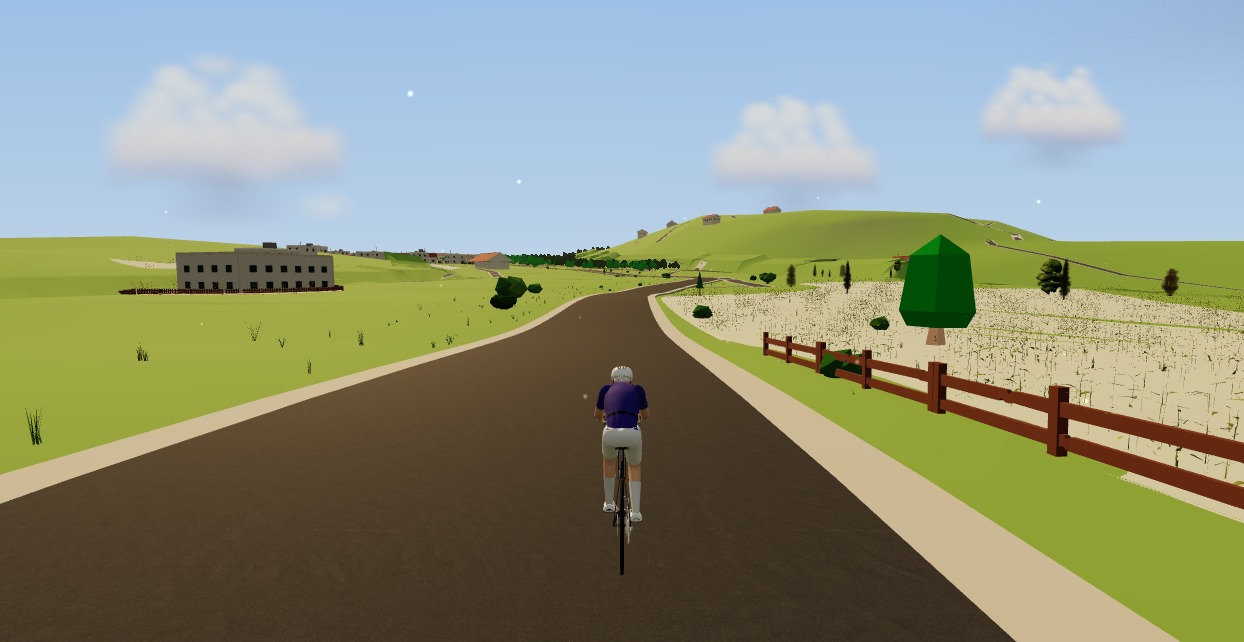
Looking for an indoor cycling app for Mac that doesn't need a download? macOS runs a full smart-trainer session straight from a browser tab — pairing, ERG, real 3D roads and a Strava upload. Here's how, and the one thing to watch on Apple Silicon.

A free app for Elite smart trainers (in your browser)
Own an Elite Suito, Direto or Justo? You don't need a subscription to ride it properly. Here's a free app for Elite smart trainers that runs in your browser — FE-C/FTMS control, ERG intervals, real 3D roads and a Strava upload.

Lower back pain on the bike: what's actually causing it
Usually a position your hips and hamstrings can't hold, rather than a back problem. How reach and drop interact with mobility, what core endurance research supports, and how to tell position pain from something else.

Indoor cycling on any device: how Moveee Indoor runs in the browser (even on a Mac)
Mac, Windows, Linux, a Chromebook or an Android tablet — if it runs Chrome or Edge, it can run a full trainer session. Here's how one browser app rides on all of them, and the one gap (iOS).

How to connect a smart trainer to your browser with Web Bluetooth
Your browser can talk to your smart trainer directly — no app, no dongle, no ANT+ stick. Here's how Web Bluetooth pairing works, what it supports, and how to fix it when it won't connect.

From a browser tab to Strava: how Moveee Indoor runs a full trainer session
Follow one indoor ride from cold trainer to a Strava post — pairing, ERG intervals, a real 3D road, full power analysis and a one-tap upload — all without installing a thing.

Lifting and riding in the same week: the interference effect, honestly
The molecular argument against doing both sounds decisive and mostly fails to show up in trained cyclists. Which direction the interference actually runs, how much separation matters, and a weekly template that stops the two from fighting.