賢く走ろう — 一記事ずつ。
無料コーチングと毎回の本物のルートを支えるガイド、正直な比較、トレーニング科学。

Your first road bike: what to spend and what to ignore
Fit first, then contact points, then a certified helmet. Honest price bands, the spec-sheet numbers that do not matter, and the safety checks that do.

Buying a used bike: the ten-minute inspection
Frame first, then wheels, drivetrain, brakes and bearings, then the paperwork. An ordered check that finds the deal-breakers early, with the honest caveat about carbon.

Gears explained: what the numbers on your cassette mean
Tooth counts to gear ratios to speed at a cadence, why steps matter more than the number of gears, what cross-chaining costs, and how to pick a gear on a climb.

Clipless pedals: how to start without falling over at the lights
Which system to start on, how to set cleat position and float so your knees track straight, and a grass-first drill that makes unclipping a reflex before you need it.
How to fix a flat in five minutes (and stop dreading it)
A roadside puncture repair, step by step, and the two things beginners skip that turn a five-minute job into twenty: finding the cause, and seating the bead before you pump it hard.
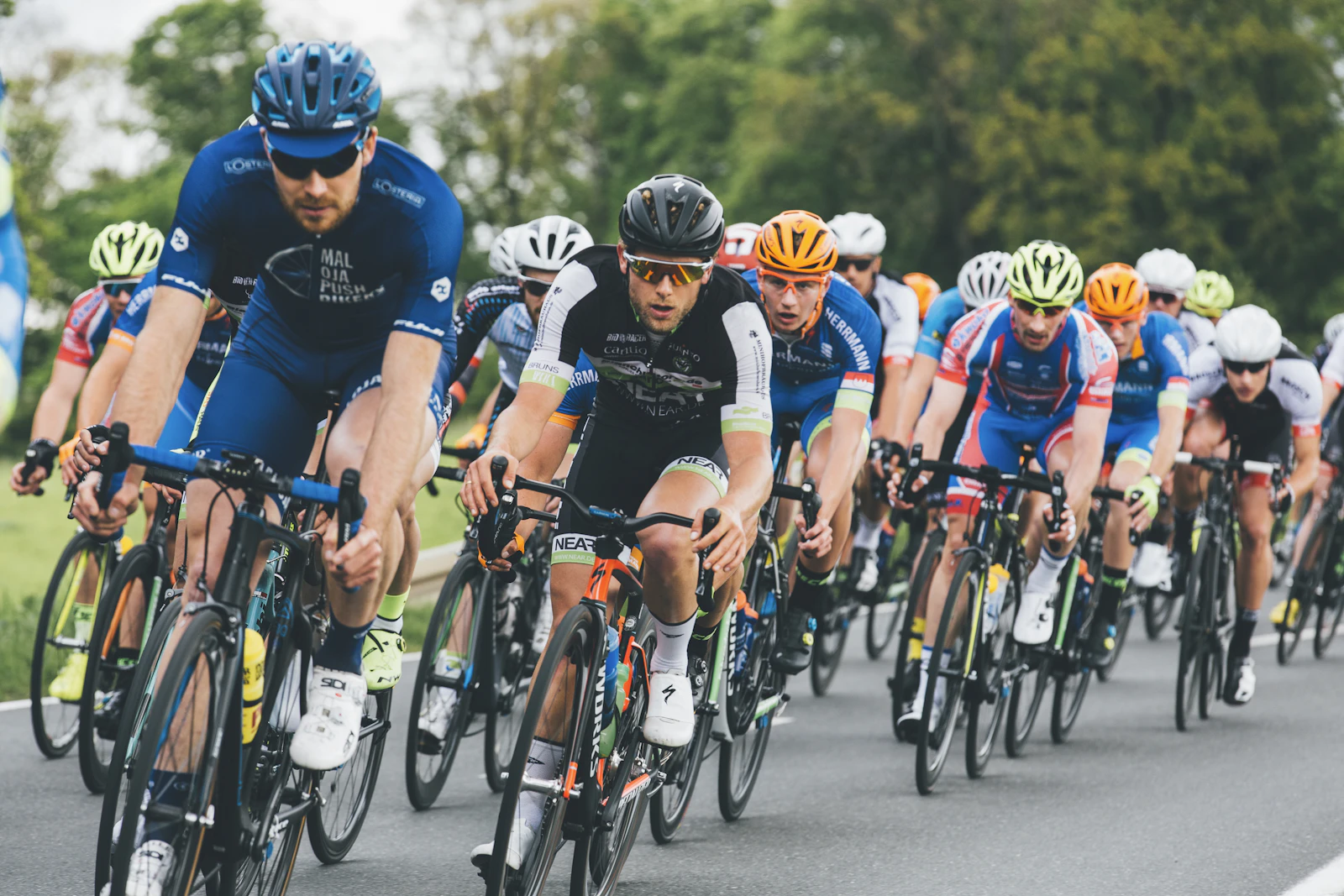
Your first winter on the bike: kit, roads and staying motivated
Winter is where new riders quietly stop. Warm extremities, lower roads, one hard session a week and a fixed ride day carry more fitness into spring than any jacket.

Cycling clothing explained: bibs, chamois, layers and why cotton fails
What each piece of cycling kit is actually for, what the evidence supports, and where the marketing runs ahead of it. Spend on shorts and gloves; the fourth jacket can wait.

How to ride with traffic: positioning that keeps you safe and seen
Hugging the kerb feels safe and is not. Where crashes happen, when to take the lane, what the overtaking research honestly says, and why a daytime rear light beats a hi-vis jacket.

The cycling year: how to plan twelve months from off-season to peak
Transition, base, build, peak, race: what each block is for, how long it runs for an amateur with one summer goal, and where the neat diagram and the messy year part ways.

The off-season: how long to rest and what to keep doing
Two to four weeks of light, unstructured riding, one short hard session kept, and not past six. The detraining studies say what you lose, how fast, and which losses are cheap.

Base, build, peak: what each phase changes in your body
Mitochondria and capillaries in base, VO2max and threshold in build, fatigue cleared in the taper. What each phase does, how fast, and why the order is biology rather than tradition.

Cross-training for cyclists: running, skiing and swimming that transfer
Fitness built in another sport reaches the bike through your heart and lungs, not your legs. What the transfer studies say, and how skiing, running and swimming rank.
Training with an injury: what you can keep doing and what to stop
Most cycling injuries leave some training on the table. Keep the intensity in whatever you can still do, load tendons rather than rest them, and rest fully for the few that demand it.

Four hours a week: the most fitness you can get from very little time
At four hours a week the 80/20 rule stops applying and two well-chosen interval sessions do most of the work. What the low-volume studies found, and a week that fits.

Junk miles: what they are and when they aren't
Easy riding is not junk; the fittest riders do most of their hours there. Unplanned medium riding usually is. A three-question test for any ride, and the evidence behind it.