Jeźdź mądrzej — jeden artykuł na raz.
Poradniki, uczciwe porównania i nauka o treningu stojąca za darmowym coachingiem i prawdziwą trasą na każdą jazdę.

Iron and ferritin for cyclists: the blood test worth asking for
Low iron is one of the more common causes of unexplained fatigue in endurance athletes, and one of the few that is genuinely fixable. Why "your bloods are normal" can still mean you are short — and why you must never supplement on a hunch.

Aerobic decoupling: what the Pw:HR number on your ride actually means
The closest thing you have to a free aerobic test, taken on every long ride at no extra cost. How to read it, what counts as a clean measurement, and the five things that make it lie to you.
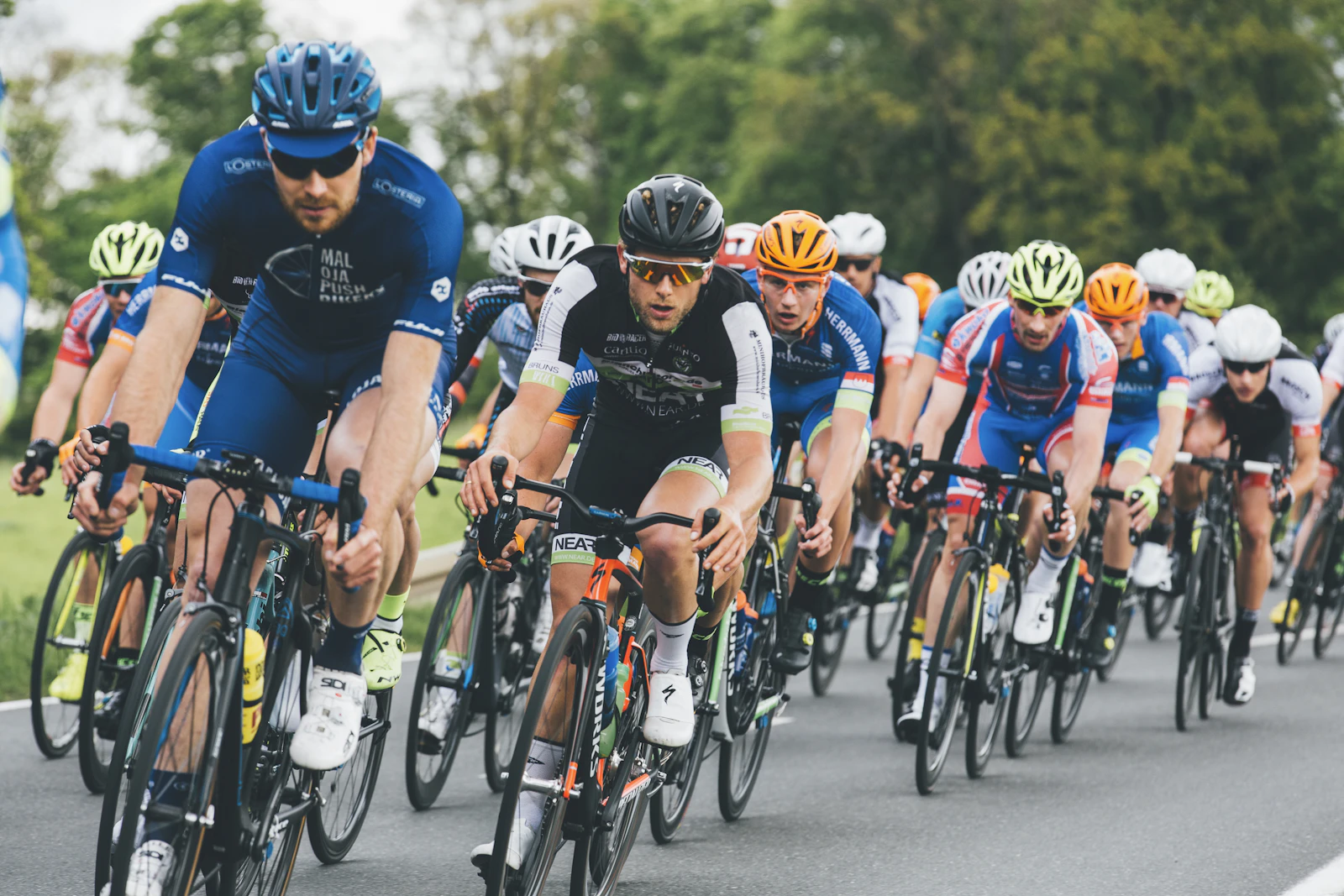
Your first criterium: position, corners and the accordion effect
A crit's average power is often below your FTP, which tells you nothing. What actually decides your first one is where you sit in the bunch — and why the rider at the back is doing a completely different race at the same speed.
Three zones, five or seven? Which model to actually use
Open three training books and you get three zone systems. They are not competing discoveries about the body — they are filing systems, and you want more than one. Which to use for the week, the session and the top end.

Riding at night: seeing, being seen, and the months you get back
For half the year, riding after work means riding in the dark. Two problems most riders confuse, how much light you actually need for each kind of road, and the cheap reflective trick that matters more than a bright jacket.
Chain waxing vs lube: what it's worth, honestly
One camp melts wax in a slow cooker; the other squeezes lube onto a dirty chain and rides. Both are defensible. The watts are smaller than the enthusiasts imply — but the strongest argument for waxing is one they rarely lead with.

How to build a cycling training plan around a full-time job
You don't need 12-hour weeks to get properly fast — you need the right 6–8 hours, placed where your life can actually hold them. Here's how to anchor a working week around two quality sessions and one long ride, what to cut first when work explodes, and why a plan that adapts beats a plan that's perfect.

How many TSS per week do you actually need?
TSS puts one number on how much training you've done — but how much is enough, and when does more stop helping? Realistic weekly ranges by rider level, the ramp-rate rule that keeps you improving without breaking, and why chasing the number corrupts the training it's meant to measure.

How to taper for a big ride: the last two weeks
The event is booked and the training is done — the last two weeks are where riders either bank their fitness or quietly throw it away. Drop the volume, keep the intensity, and follow a day-by-day fortnight that arrives at the start line fresh instead of flat.

Zone 2 training on a smart trainer: how to actually stay in zone
Everyone agrees Zone 2 builds the engine — and almost nobody actually rides it, because outdoors every junction, hill and ego bump pulls you out of zone. On a smart trainer with ERG mode the discipline problem disappears. How to set the right watts, manage drift, and make 90 steady minutes genuinely bearable.

What your power curve says about you: sprinter, puncheur or diesel?
Your best 5 seconds, 1 minute, 5 minutes and 20 minutes tell a story your FTP alone can't: what kind of rider you actually are. How to read your own power-duration curve, the signature shapes of sprinters, puncheurs, diesels and climbers — and when to train your weakness versus doubling down on your strength.

A TrainingPeaks alternative that plans the workouts for you
TrainingPeaks is the coach's clipboard — superb if you have a coach or love building your own plan, but on your own it never answers the question you actually have: what should I ride today? An honest comparison with an app that writes the plan, adapts it when life happens, and brings the indoor world with it.

How to read the wind forecast for cycling (and stop riding into it both ways)
Wind costs a cyclist more than rain ever will, and the weather app's little arrow doesn't tell you what it'll do to your loop. Why headwinds punish you harder than tailwinds repay you, which way to ride your route, what 20 vs 40 km/h actually feels like, and how to plan around gusts before you clip in.

How to export a workout to your Garmin or Zwift (.zwo and .fit explained)
Structured workouts travel as files — .zwo for Zwift, .fit for Garmin and most head units — and once you understand the two formats you can build a session once and ride it anywhere. What each format is, which platforms accept which, and the step-by-step for getting a workout onto every device you own.

A free app for the Zwift Hub and Zwift Ride (yes, without Zwift)
Zwift's own trainers speak the same standard Bluetooth as everyone else's — which means a Zwift Hub or Zwift Ride works perfectly well without a Zwift subscription. How to pair Zwift hardware with a free browser app, what works (ERG, resistance, power), and the honest caveats around buttons and firmware.
Gotowy, by jeździć z planem?
Połącz Strava i odbierz pierwszy trzytygodniowy blok jeszcze dziś — za darmo.
Kontynuuj ze Strava