
The Moveee team
Free coaching · a real route for every ride
Dressing for winter riding is a problem with an awkward shape: you have to be slightly cold standing still in order to be right twenty minutes later, and the temperature you actually experience has very little to do with the number on the forecast. Get it wrong warm and you sweat into your insulation, then freeze on the descent. Get it wrong cold and you spend the ride doing damage-limitation with your hands.
This is a guide to the band that covers most of the year in a temperate climate — roughly 0 °C to 15 °C — and to the physiology underneath it, which is what makes the clothing choices make sense.
Cold exposure carries real risks, and individual tolerance varies enormously with body composition, age, medication, circulatory conditions such as Raynaud's, and how well fuelled you are. Nothing here replaces the judgement of a clinician who knows your situation. If you have a heart or circulatory condition, or you have had a cold injury before, take advice before riding regularly in near-freezing temperatures.
Why a bike is a hard place to stay warm
Your body is producing a great deal of heat — a rider at a steady endurance pace is generating several hundred watts of it — and simultaneously moving through the air fast enough to strip it away. Cycling is the rare activity where you can be both overheating and freezing at once: a hot, sweating core under a jacket and fingers approaching numb on the bar tops.
There is a performance angle too. In laboratory work on time to exhaustion at a fixed intensity, riders lasted longest at around 10 °C — 93 minutes, against 52 minutes at 30 °C. Exercise capacity followed an inverted-U across the temperature range, with both the hot and the very cold conditions worse than the mild one. Cold is not simply the absence of heat stress; below a point it becomes its own problem, and your body starts spending energy on staying warm rather than on going forwards.
Wind chill is the number that matters
You generate your own wind. At 30 km/h on a still day, 5 °C air feels like roughly 0 °C on exposed skin — and that is before an actual headwind or a descent. The figures below come from the US National Weather Service wind chill formula, applied at riding speeds rather than weather-station speeds.
| Air temperature | 20 km/h | 30 km/h | 40 km/h |
|---|---|---|---|
| 10 °C | 7 °C | 7 °C | 6 °C |
| 5 °C | 1 °C | 0 °C | -1 °C |
| 0 °C | -5 °C | -6 °C | -7 °C |
The layering principle
Three jobs, ideally done by three garments, so that you can change one of them without changing all of them.
- Base layer moves sweat. Its job is not warmth, it is getting moisture off your skin. A cotton base layer at 3 °C is genuinely dangerous — it holds water against you and then you stop climbing.
- Mid layer holds air. Insulation is trapped air. Two thin layers usually beat one thick one, and they give you something to remove.
- Outer layer stops wind. At riding speed, wind is the dominant heat-loss route. A windproof front on jacket and tights does more per gram than any amount of fleece.
- Leave a vent you can open. A full-length zip is a thermostat. Being able to dump heat on a climb is what stops you arriving at the descent soaked.
Guidance from occupational cold-safety bodies says the same thing in flatter language: several loose layers insulate better than one thick one, and the ears, face, hands and feet need protecting specifically. That last point is the one cyclists under-weight.
What to wear, by temperature band
This is craft rather than science — there is no study that tells you when to put on a second pair of socks. It reflects a reasonably fast rider on a two-hour ride in dry conditions. If you run cold, shift each band up by about 3 °C.
Core: Short sleeve jersey, light gilet or arm warmers you can shed.
Hands: Bare hands or the thinnest liner glove.
Feet: Normal socks. Toe covers only if it is damp.
Head: Nothing. Maybe a headband on a fast descent.
The temptation is to overdress on the way out of the door. Start slightly cool; you will be warm inside ten minutes.
Core: Long-sleeve base layer, jersey, light windproof for descents.
Hands: Full-finger glove, unlined or lightly lined.
Feet: Toe covers, or thin overshoes if wet.
Head: Ears covered. This is where a headband starts earning its place.
The awkward band. Wet at 10 °C is far colder than dry at 6 °C — dress for the rain, not the thermometer.
Core: Thermal base layer, long-sleeve thermal jersey or jacket, wind-blocking front.
Hands: Insulated winter glove. Windproof back of hand matters more than bulk.
Feet: Full overshoes, thicker socks, but nothing that makes the shoe tight.
Head: Thin thermal cap under the helmet, plus a neck gaiter you can pull up.
Below about 8 °C, extremities become the limiting factor for most riders, not the core.
Core: Thermal base, thermal jersey, windproof jacket. Bib tights with a thermal, windproof front.
Hands: Lobster gloves or heavy winter gloves. Consider a thin liner inside them.
Feet: Thermal socks, full neoprene overshoes, and shoes loose enough for blood to reach your toes.
Head: Full thermal cap, gaiter over the chin, clear or lightly tinted glasses.
Watch for ice, and for the wind direction. Plan the route so you ride out into the headwind and home with it.

Extremities are the real problem
Almost nobody abandons a winter ride because their chest is cold. They abandon it because they can no longer feel the brake levers. When the body is cooling it reduces blood flow to the skin and the periphery to protect core temperature — which is a sensible trade for survival and a terrible one for operating a bicycle. Occupational research has mapped this directly: as hand skin temperature falls, manual dexterity degrades in a measurable, progressive way well before anything reaches the point of injury.
- Keep the core warm to keep the hands warm. Cold hands are often a core problem expressing itself at the far end. An extra torso layer frequently fixes fingers that gloves could not.
- Tight is cold. Overshoes crammed onto a shoe already full of thick socks restrict circulation to the toes. Half a size of room beats an extra millimetre of neoprene.
- Wind, not thickness. A windproof back of the hand and a windproof shoe front do more than insulation alone.
- Keep the sweat out. Wet gloves at 2 °C are worse than thinner dry ones. Carry a spare pair on long rides.
- Protect the face on descents. Ears and cheeks are the first bits to sting, and a gaiter you can pull up at the top of a climb costs nothing to carry.
Hard rides and easy rides are different problems
How you dress should follow what you are about to do, and this is the part most riders never adjust.
You will produce a lot of heat and a lot of sweat. Dress lighter than the thermometer suggests, prioritise venting, and accept being genuinely cold for the first fifteen minutes. The risk is soaking your layers early and then having nothing dry for the ride home.
You will produce much less heat, for much longer. Dress warmer than feels necessary, eat more than you think you need — staying warm costs energy — and remember that the last hour is the cold one, when you are tired, low on fuel and slower.
Zone 2 work in genuinely cold conditions is the classic trap: low heat production, long duration, and a rider dressed for the intensity they had in mind rather than the one the plan called for. If the forecast is bad enough that the choice is a soaked three-hour endurance ride or nothing, a controlled session on Moveee Indoor is not a defeat — see also winter training for cyclists.
Warning signs to take seriously
Hypothermia on a bike usually arrives through a specific route: you get wet, then you stop working hard — a mechanical, a long descent, waiting for someone at a junction — and your heat production collapses while the wind keeps taking it away.
Shivering
Exhaustion or feeling very tired
Confusion
Fumbling hands
Memory loss
Slurred speech
Drowsiness
The dangerous property of this list is that several items on it impair the judgement you would need to act on it. If a riding companion goes quiet, starts riding erratically or cannot work a zip, treat it as urgent: get them indoors, out of wet clothing, warm and fed, and seek medical help rather than pressing on. Shivering that stops without the person getting warmer is a bad sign, not a good one.
A few practicalities
- Eat and drink on schedule. Thirst is blunted in the cold and you will drink less than you should. Warm bottle contents help you actually do it.
- Plan the route around the wind and the light. Head out into the wind, finish with it behind you, and be home before the temperature drops at dusk.
- Carry more than you would in summer. A puncture at 1 °C with bare hands is a serious inconvenience; spare gloves and a packable shell weigh very little.
- Shorten the ride, not the effort. Two good hours in the cold beats a miserable four, and the load looks much the same in your log.
Sources 7
Where this article summarises a study, the study itself is linked — not a write-up of it.
- 1 Castellani JW, Young AJ, Ducharme MB, Giesbrecht GG, Glickman E, Sallis RE. American College of Sports Medicine position stand: prevention of cold injuries during exercise · Medicine & Science in Sports & Exercise · 2006
- 2 Galloway SD, Maughan RJ. Effects of ambient temperature on the capacity to perform prolonged cycle exercise in man · Medicine & Science in Sports & Exercise · 1997
- 3 Chapman CL, Roberts BM, Schafer EA, Castellani JW, et al. Occupational cold stress and rewarming alters skin temperature thresholds for manual dexterity decrements · Physiological Reports · 2025
- 4 Schafer EA, Chapman CL, Castellani JW, Looney DP. Energy expenditure during physical work in cold environments: physiology and performance considerations · Journal of Applied Physiology · 2024
- 5 National Weather Service Wind Chill Chart and formula · NOAA / US National Weather Service · 2026
- 6 Centers for Disease Control and Prevention Preventing Hypothermia — warning signs in adults · CDC Winter Weather · 2024
- 7 National Institute for Occupational Safety and Health About Cold Stress — layering and protection of extremities · CDC / NIOSH · 2024
See this in your own numbers
Moveee builds your power curve, fitness and fatigue from every ride you upload, and writes a training plan around them. It is free, it takes one Strava connection, and it will tell you more about your riding in a week than any article can.
Start freeKeep reading

The one setting that decides if your speed is right inside the cycling app
A speed sensor counts wheel revolutions, not kilometres. Get the tyre circumference wrong and every number is wrong by the same percentage — up to 10% — while looking entirely plausible. The table, and the two-minute roll-out that beats it.

How accurate is your smart trainer's power? (and why it disagrees with your power meter)
Your trainer says 250 W, your pedals say 262 W — and neither of them is lying. What the accuracy claims on the box actually mean, why drivetrain loss makes a hub always read lower than a crank, when calibration matters, and why consistency beats absolute truth for training.

Clipless pedals: how to start without falling over at the lights
Which system to start on, how to set cleat position and float so your knees track straight, and a grass-first drill that makes unclipping a reflex before you need it.

Lower back pain on the bike: what's actually causing it
Usually a position your hips and hamstrings can't hold, rather than a back problem. How reach and drop interact with mobility, what core endurance research supports, and how to tell position pain from something else.

Shoes and cleats: fit first, everything else after
The only part of a bike you wear, and the contact point riders think about least until something hurts. What actually matters in a shoe, the width point nobody mentions, and how to move a cleat without creating a knee problem.
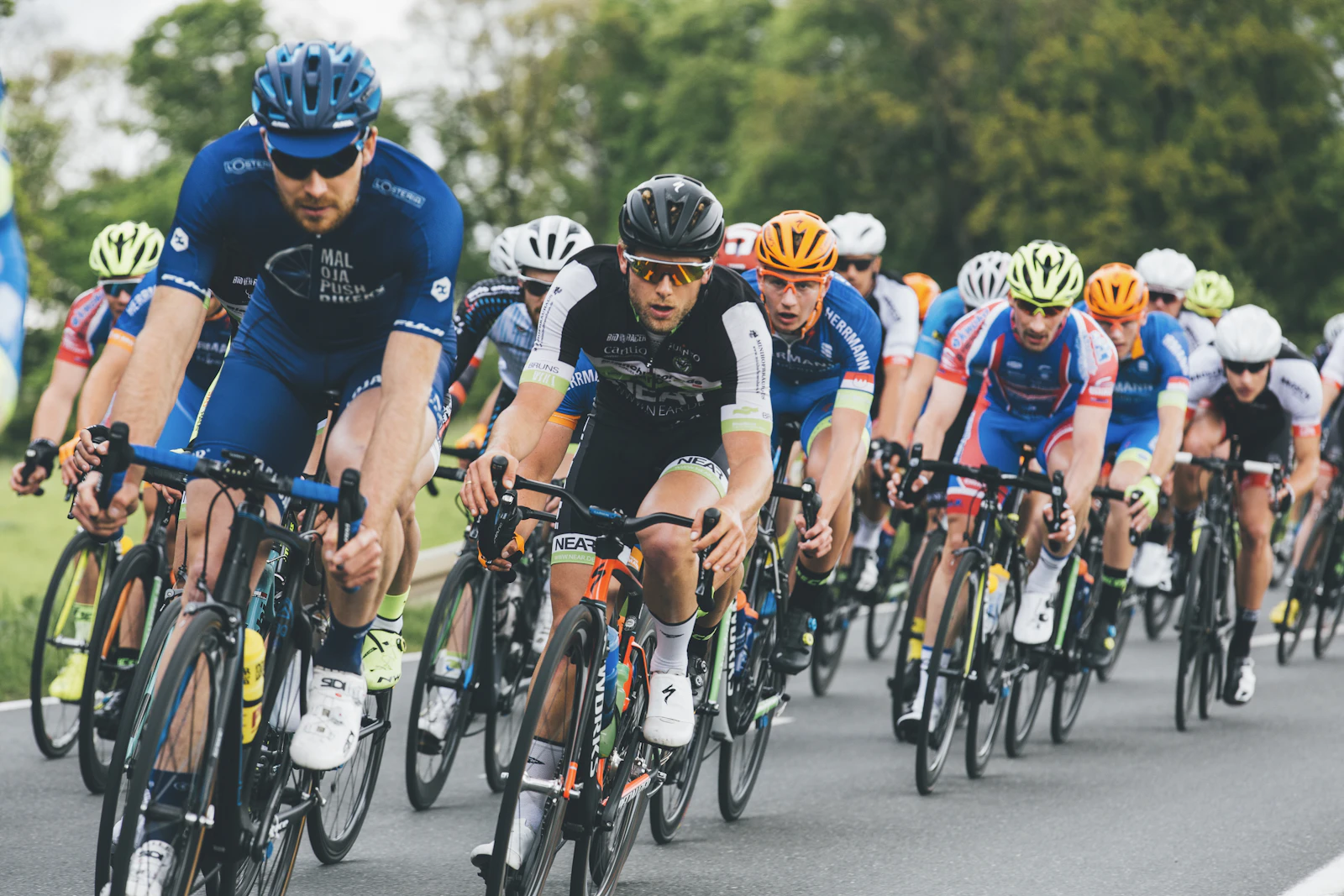
Your first winter on the bike: kit, roads and staying motivated
Winter is where new riders quietly stop. Warm extremities, lower roads, one hard session a week and a fixed ride day carry more fitness into spring than any jacket.

Power meter vs smart trainer: which should you buy first?
They measure in different places, and neither is wrong. What independent validation studies show about accuracy, why your two numbers disagree, and which one earns its money first for the riding you actually do.

How to calibrate your power meter (and how often)
A zero offset is not a calibration, and temperature moves your numbers more than most riders realise. What each procedure does, how often to do it, and how to tell a drifting meter from genuinely lost fitness.
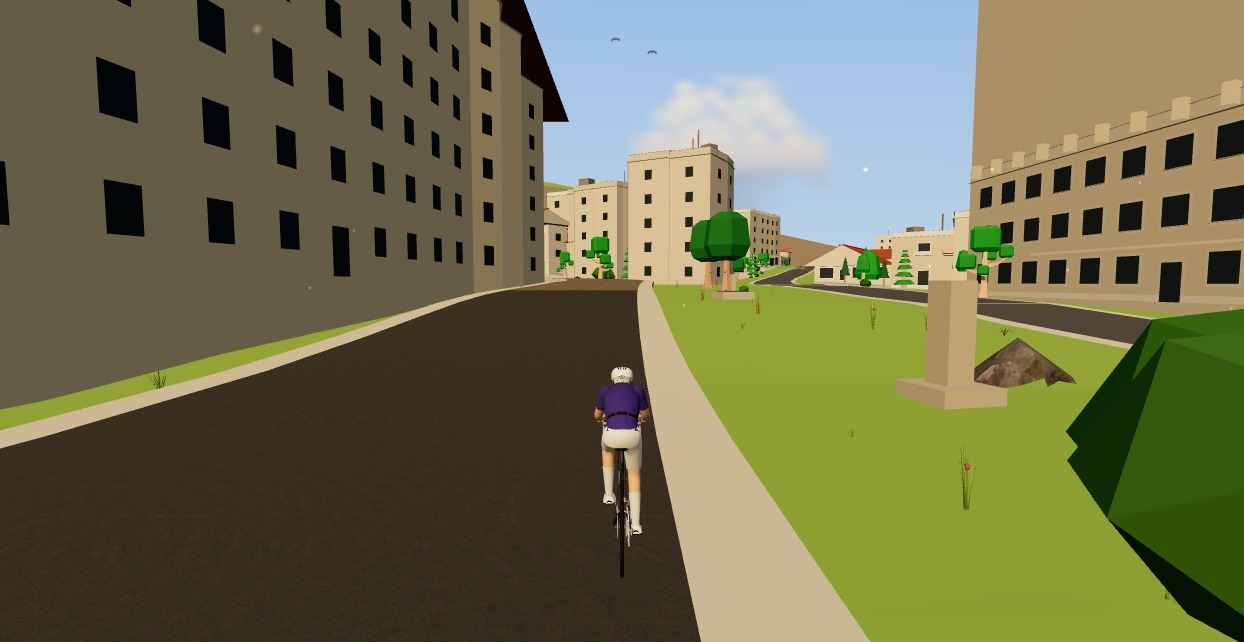
Try indoor training right now: open Moveee Indoor in your browser
No account wall, no 20-minute download before your first pedal stroke. Here's how to go from cold trainer to riding a real 3D road in about five minutes, straight from a browser tab.

Rollers vs turbo trainer: which should you ride this winter?
One teaches you to ride; the other makes you fitter. Rollers build balance, souplesse and bike handling that a locked-in turbo never will — but the turbo owns structure, ERG and every hard interval you'll do all winter. An honest comparison, who should pick which, and why the real answer might be both.

Tyre width and rolling resistance: why 28 mm beat 23 mm
The narrow-is-faster rule was true on a steel drum and wrong on a road. What actually changes when a tyre gets wider, where impedance losses take over from rolling resistance, and the width at which aerodynamics finally starts charging you.

You dehydrate in winter too
Dehydration is a summer problem — that assumption sits behind almost every winter ride and it is wrong. Five reasons riders run short in the cold, what it costs, and the one change that fixes most of it.